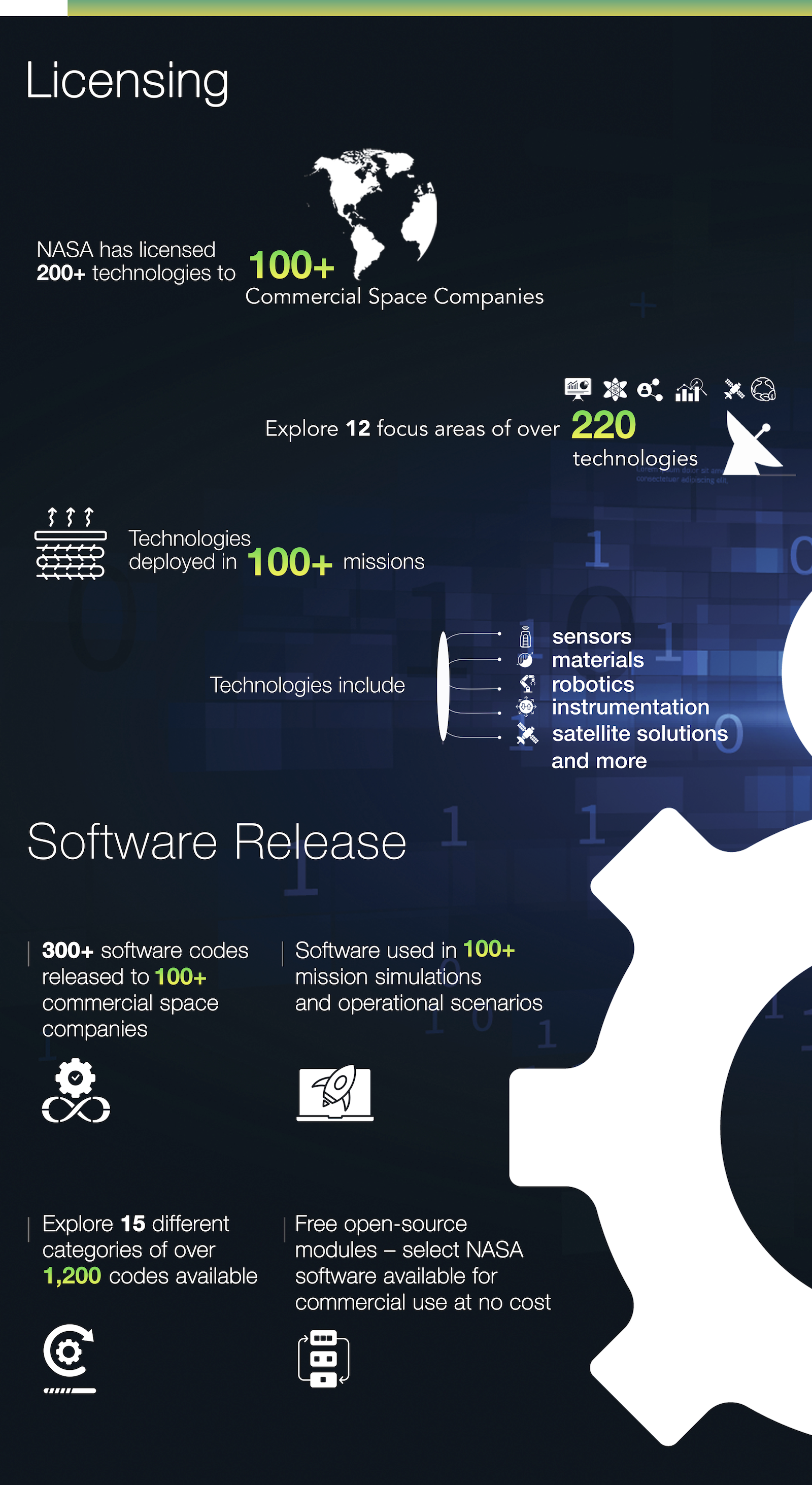
Advancing Commercial Space












NASA's innovations are paving the way for sustained missions to the Moon and Mars – and powering the next generation of commercial space enterprise. These patented technologies, engineered for the extreme challenges of space exploration, are now available to help companies advance propulsion, satellite servicing, data systems, manufacturing, and more.
From power solutions that sustain lunar operations to robotics and materials redefining off-world innovation, NASA's portfolio provides mission-tested tools to expand what's possible – both in orbit and on Earth.
Explore our curated lists to find technologies ready for the Moon and Mars that can accelerate your next space venture. Click the icons above to get started.
From power solutions that sustain lunar operations to robotics and materials redefining off-world innovation, NASA's portfolio provides mission-tested tools to expand what's possible – both in orbit and on Earth.
Explore our curated lists to find technologies ready for the Moon and Mars that can accelerate your next space venture. Click the icons above to get started.
Success Stories
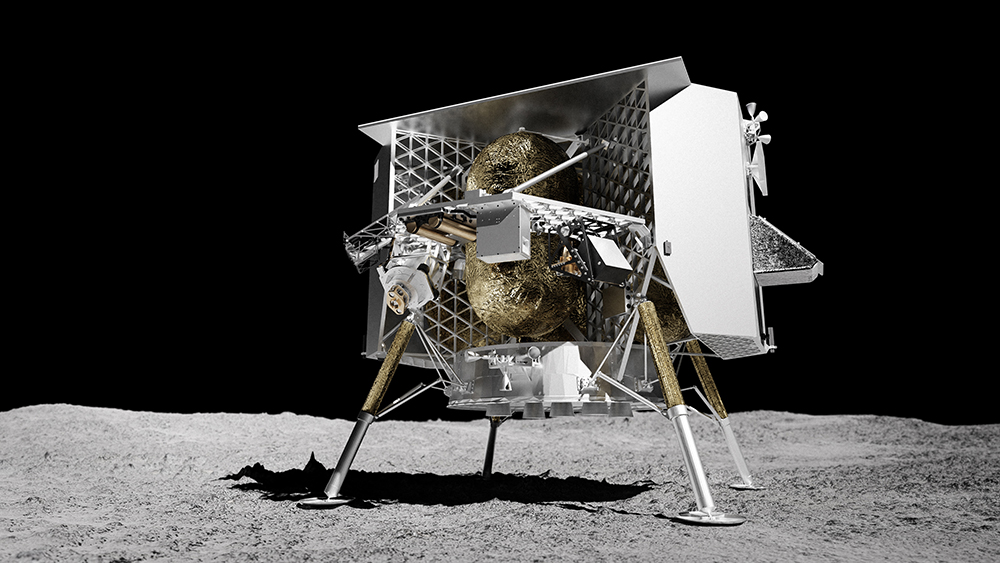
Astrobotic's lunar landing program carries NASA and commercial payloads
Astrobotic Technology of Pittsburgh leveraged NASA Marshall Space Flight Center expertise to develop one of the first commercial lunar landers, launched in early 2024. Private organizations and individuals are also sending payloads as space exploration becomes more accessible to everyone.
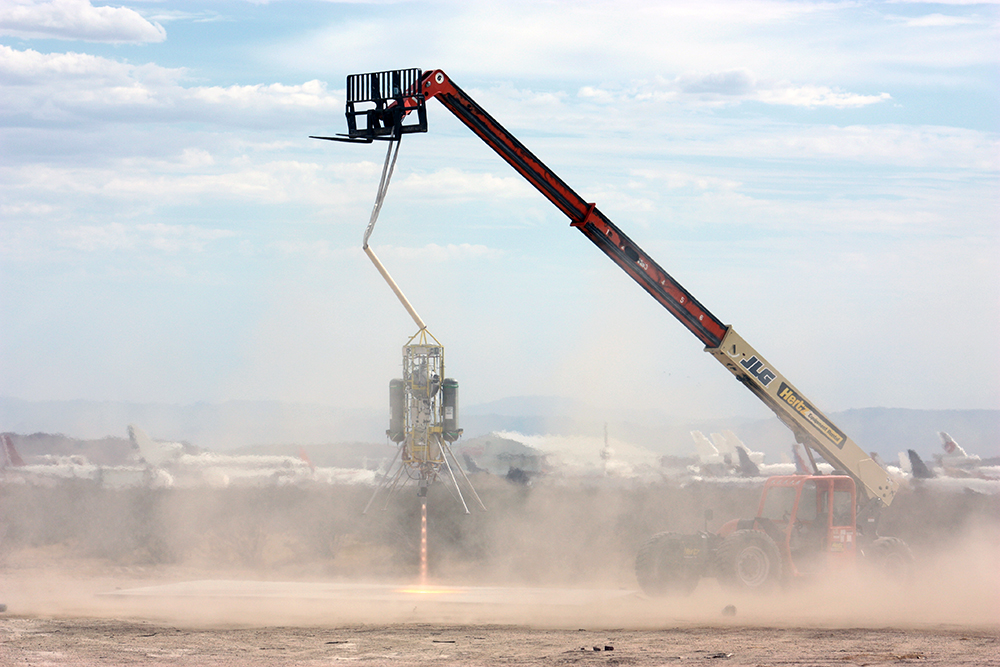
Rocket-powered vehicle for testing lander navigation systems supports space companies
Needing to test space landing systems on Earth, NASA’s Flight Opportunities program at Armstrong Flight Research Center funded a small startup, Masten Space Systems, originally based in Mojave, California, to develop a rocket-powered testing platform that now supports aerospace industry today at the Propulsion and Test Department of Astrobotic Technology.
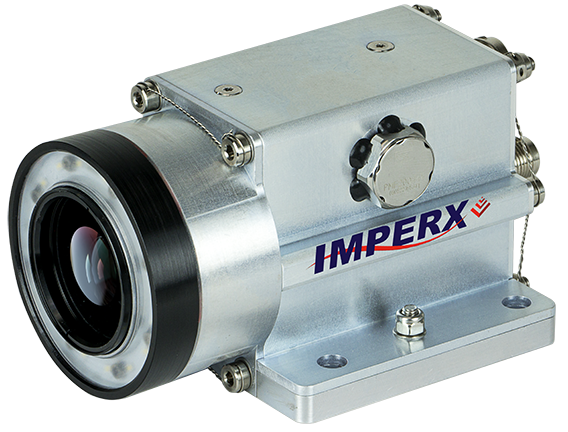
A new rocket-riding camera is tough enough for Earth
A video camera rugged enough to survive the first Space Launch System rocket launch and function in the extreme conditions of space is tough enough for harsh Earth environments. A license and expertise from Marshall Space Flight Center helped Boca Raton, Florida-based Imperx Inc. develop a camera with a built-in heater and light source.
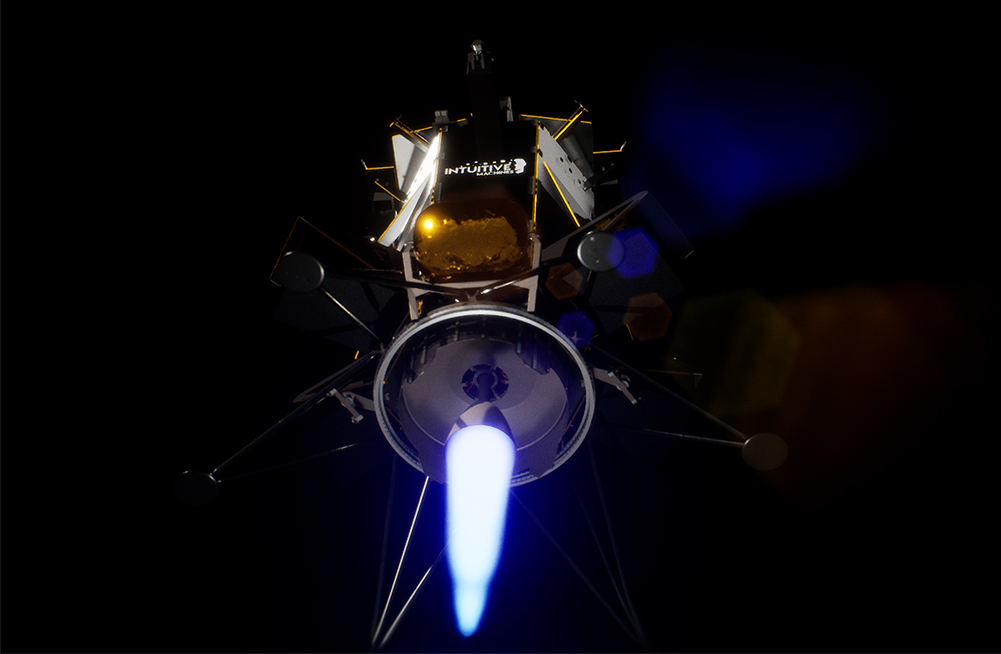
First of many commercial landers are headed to the Moon, paving the way for future missions
Several engineers who worked on the experimental Morpheus lander at Johnson Space Center have applied that technical knowledge to building a commercial lunar lander at Intuitive Machines LLC in Houston. The Nova-C carried commercial and NASA payloads to the Moon under the Commercial Lunar Payload Services initiative.
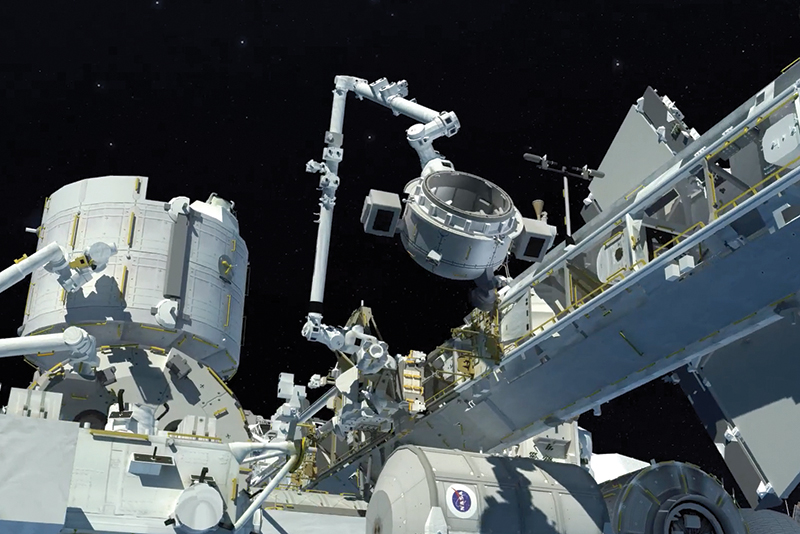
The privately funded Bishop Airlock expands commercial access to the space station
The Bishop Airlock Module, built through a public-private partnership with Johnson Space Center, expands commercial access to low-Earth orbit by adding real estate to the International Space Station and a larger doorway for putting CubeSats into orbit.

NASA tech for landing spacecraft advances lidar development
A special 3D imager, a global shutter flash lidar, is helping NASA sample an asteroid and could soon help cars safely navigate the road. With SBIR and other project funding from multiple centers including Langley Research Center, Santa Barbara, California based Advanced Scientific Concepts Inc. improved and tested global shutter flash lidar, which instantly creates a 3D map of its surroundings on a focal plane array with thousands of pixels. Today Continental AG, which bought the company, markets the technology for driverless cars, and the original team, as ASC LLC, sells it for military, commercial aerospace, and marine applications.
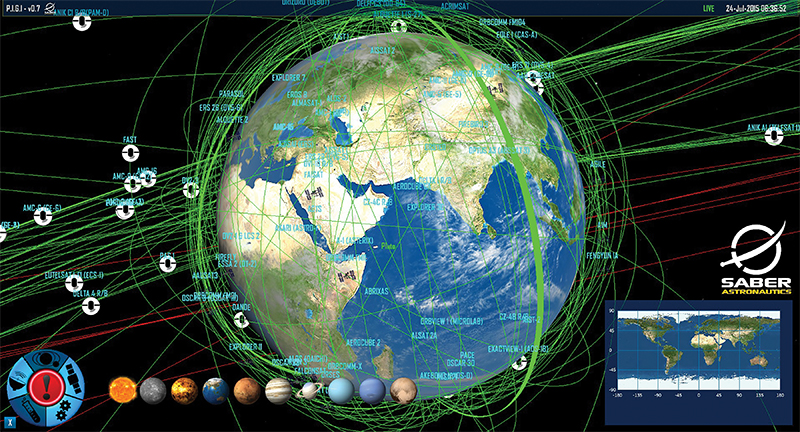
NASA data validates satellite management software
Saber Astronautics—based in Sydney, Australia with offices in Denver—used data from Goddard Space Flight Center’s Advanced Composition Explorer to validate data-mining software that models and predicts the behavior of spacecraft components. Upon validation, the company started building its Predictive Interactive Groundstation Interface (PIGI) mission control software. The company uses PIGI, which can predict and track component performance for dozens of satellites simultaneously, in its mission control service, and it will soon enable a commercial software package.
NASA funding helped develop revolutionary thrusters
To equip the disturbance reduction system it provided for the European Space Agency’s LISA Pathfinder mission, the Jet Propulsion Laboratory hired Natick, Massachusetts-based Busek Co. Inc. to develop the most delicate thrusters ever flown. Using electrospray technology, the highly efficient and long-lived thrusters can control the number of atoms of ionic liquid they spray, and they max out at a thrust weight equivalent to a grain of sand.

Autonomous self-destruct technology eliminates the cost of human error
Sagrad of Melbourne, Florida, offers a technology to automatically end the flight of any rocket that experiences difficulty. The technology will soon be required at every federal launchpad. A contract with Kennedy Space Center to build the prototype spawned two smaller, cheaper versions available for commercial use.
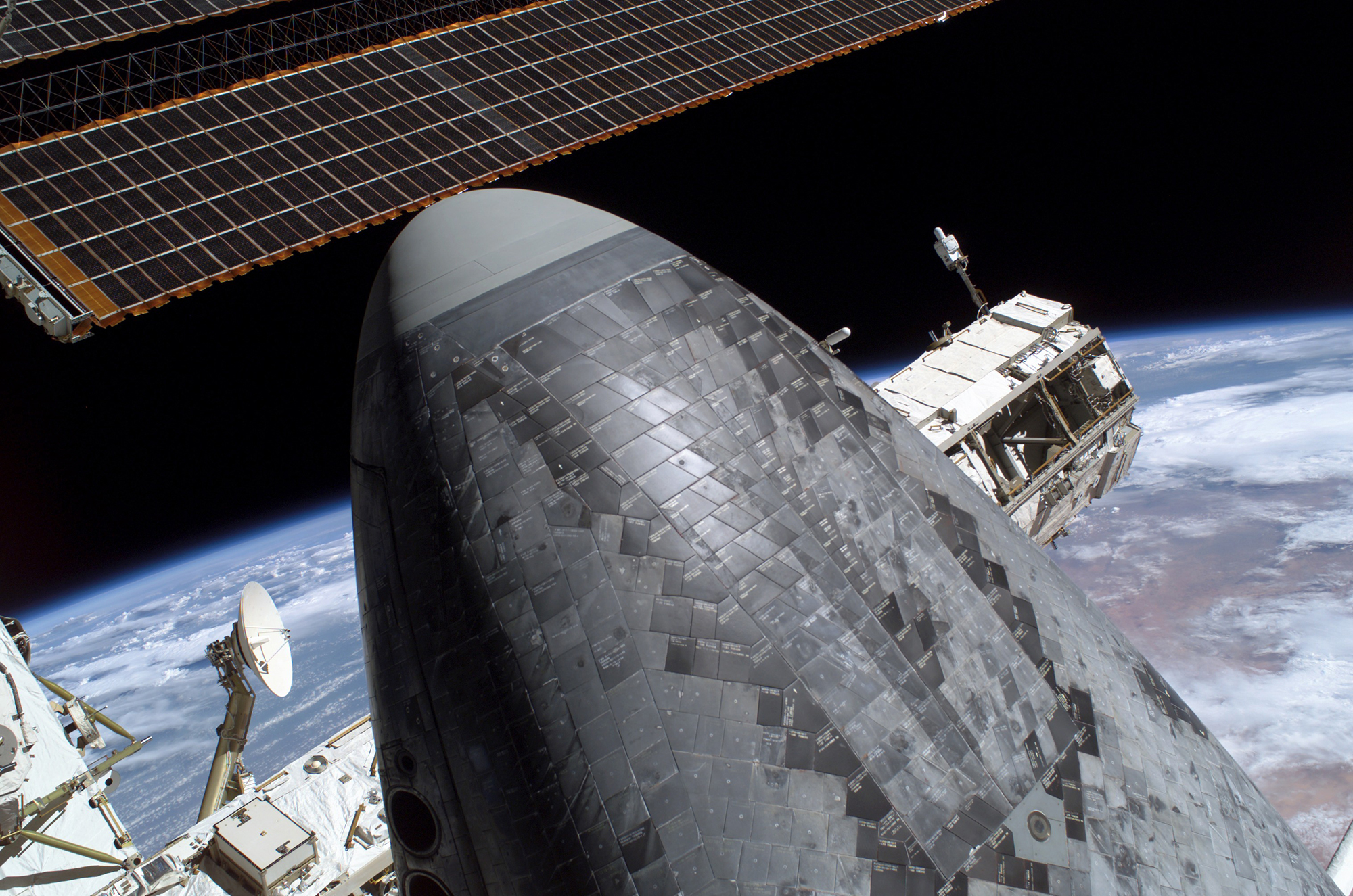
A NASA thermal protection system enables reuse of commercial spacecraft
After attending a NASA Technology Transfer Program Startup Studio, Canopy Aerospace entered into a Space Act Agreement with Ames Research Center to learn how to manufacture the thermal protection tiles used on the space shuttles. The Littleton, Colorado-based company helps commercial space companies protect their reusable vehicles.
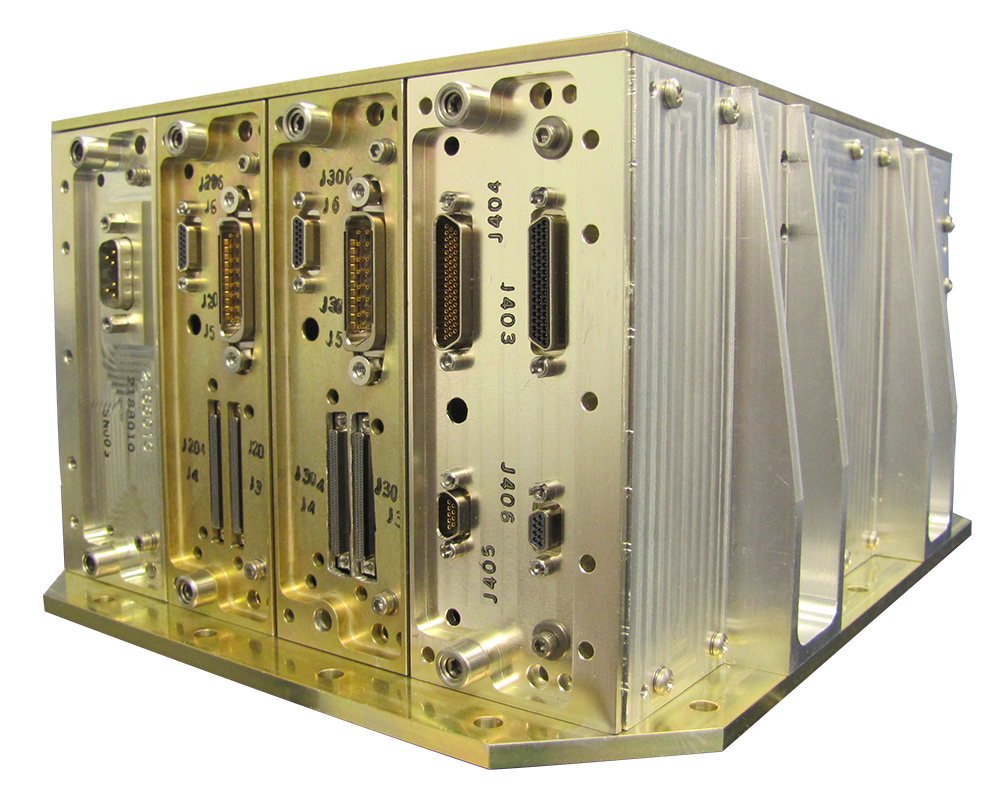
NASA collaboration with industry and academia resulted in a reliable computer for CubeSats
As a member of a collaborative endeavor, Goddard Space Flight Center helped develop a more resilient computer to use in CubeSats and SmallSats. Space Micro of San Diego now markets a derivative of this original processor to interested customers in academia and research institutions, plus industry and other NASA centers.
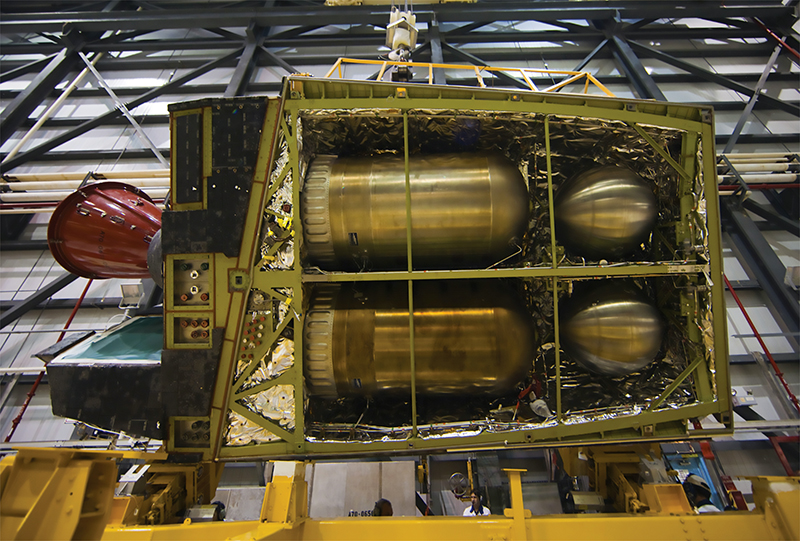
NASA-pioneered fuel tank designs now used to transport gas on U.S. roads.
The "gas tank" of a rocket holds fuel in the form of liquid or gas, and those special tanks will now be used for moving similar substances on Earth. Huntsville, Alabama-based Cimarron Composites LLC is licensing several of the original patents and leveraging a Space Act Agreement to commercialize this space technology. The new composite overwrapped pressure vessel approved for highways by the U.S. Department of Transportation started with work done at Marshall Space Flight Center.
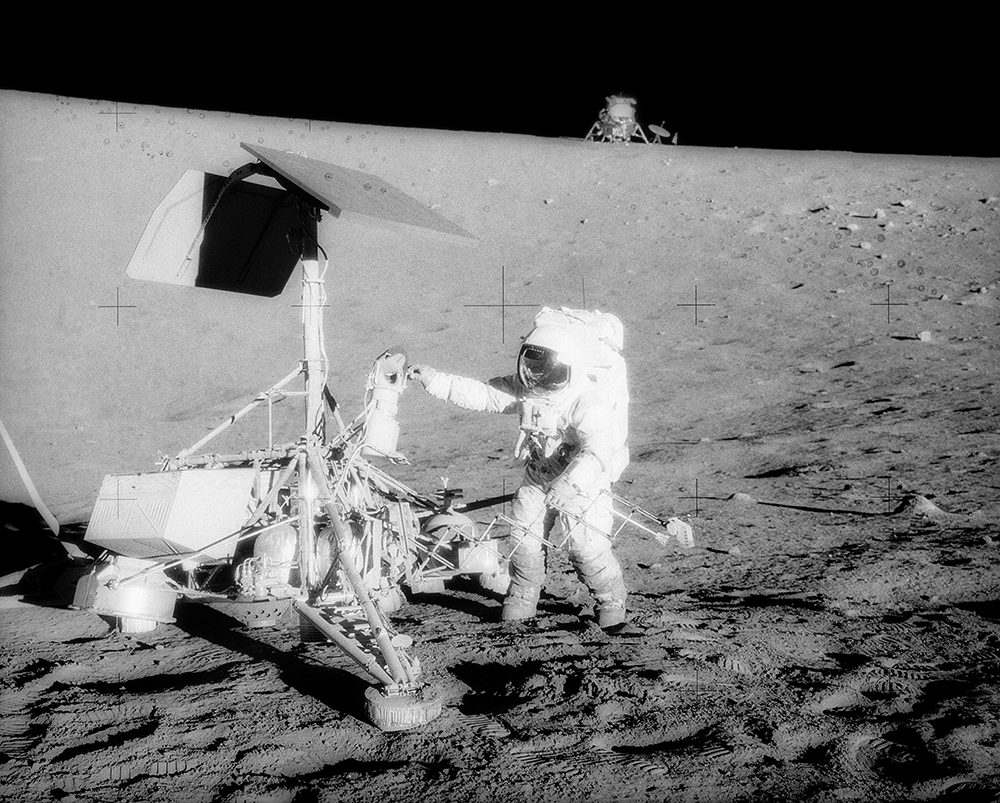
Electronic components designed for NASA see use in satellite systems and ground applications
To receive scientific data, the Jet Propulsion Laboratory needed versions of electronic components that were small but powerful for launching on deep space missions, and contracted with Hughes Space and Communications Group to build them. A successor company, Stellant Systems of Torrence, California, is now the only company in the U.S. that produces space-worthy traveling-wave tubes necessary for communications satellites.
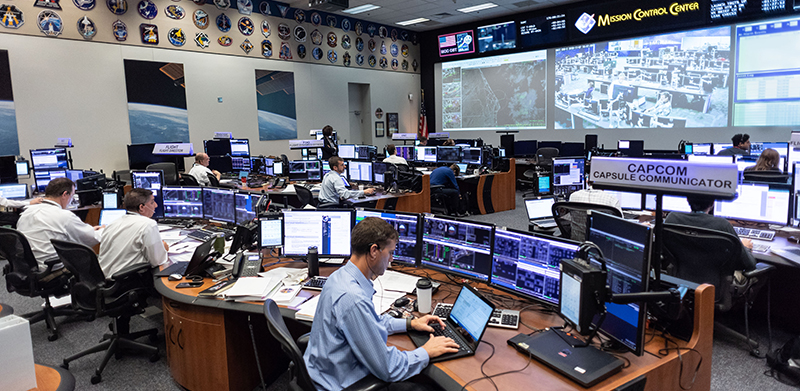
Digital conference call system can trace its origins to NASA
Conference calling is easy and common, but it requires complicated technology that didn’t exist before the 1980s, when NASA wanted to improve its own communications system. Originally, NASA’s global and space networks required constant manual reconfiguration. To upgrade to a digital system, Goddard Space Flight Center called on Pittsburgh-based Compunetics. The company created a conference bridge that allowed connections and conferences to be reconfigured instantly and automatically. The company has since sold millions of similar systems worldwide based on what it created for NASA.

NASA gas tank designs enable lighter products
What do infant incubators, a Mars lander, and paintball guns have in common? All employ an invention developed at Glenn Research Center to cut weight from space shuttles. Composite overwrapped pressure vessels, made of a liner tightly wrapped in high-strength filament, weigh half as much as all-metal pressure tanks by safely storing gases and liquids at higher pressures than was previously possible. Today, Worthington Industries, with production facilities in Pomona, California, sells them for, among many applications, fuel tanks for buses and breathing systems for firefighters.
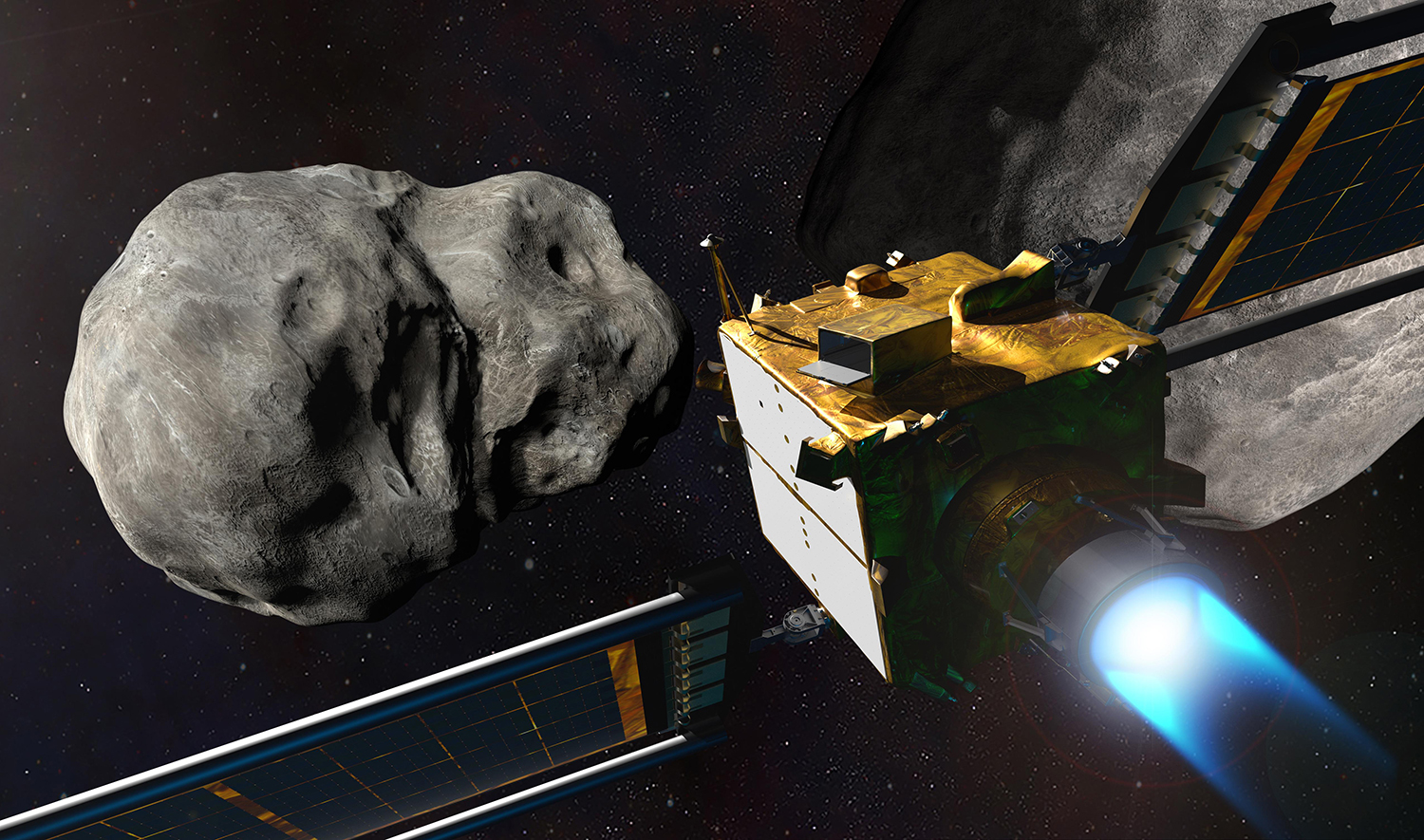
NASA-licensed software enables detailed planning for commercial space
Using software licensed from the Jet Propulsion Laboratory and experience gained from working there, Continuum Space Systems of Pasadena, California produces cloud-based mission planning tools for the growing commercial space industry.
High-gain antennas for communication and imaging can now ride smaller, cheaper spacecraft
A license, SBIR funding, and a contract to develop a deployable antenna, all from the Jet Propulsion Laboratory, as well as a former JPL chief engineer, helped Tendeg LLC of Louisville, Colorado, become a dominant supplier of antennas for small spacecraft. Through these partnerships, the company developed high-performance antennas that collapse to fit into little satellites and then unfurl in space.

Radio occultation, pioneered by NASA for other planets, offers cheaper, better Earth weather data
Decades ago, the Jet Propulsion Laboratory developed radio occultation, a technique that used radio waves to study the atmospheres of other planets. Now the proliferation of navigation satellites in Earth orbit – and a few companies’ specially outfitted small satellites – will enable more accurate weather readings on Earth.
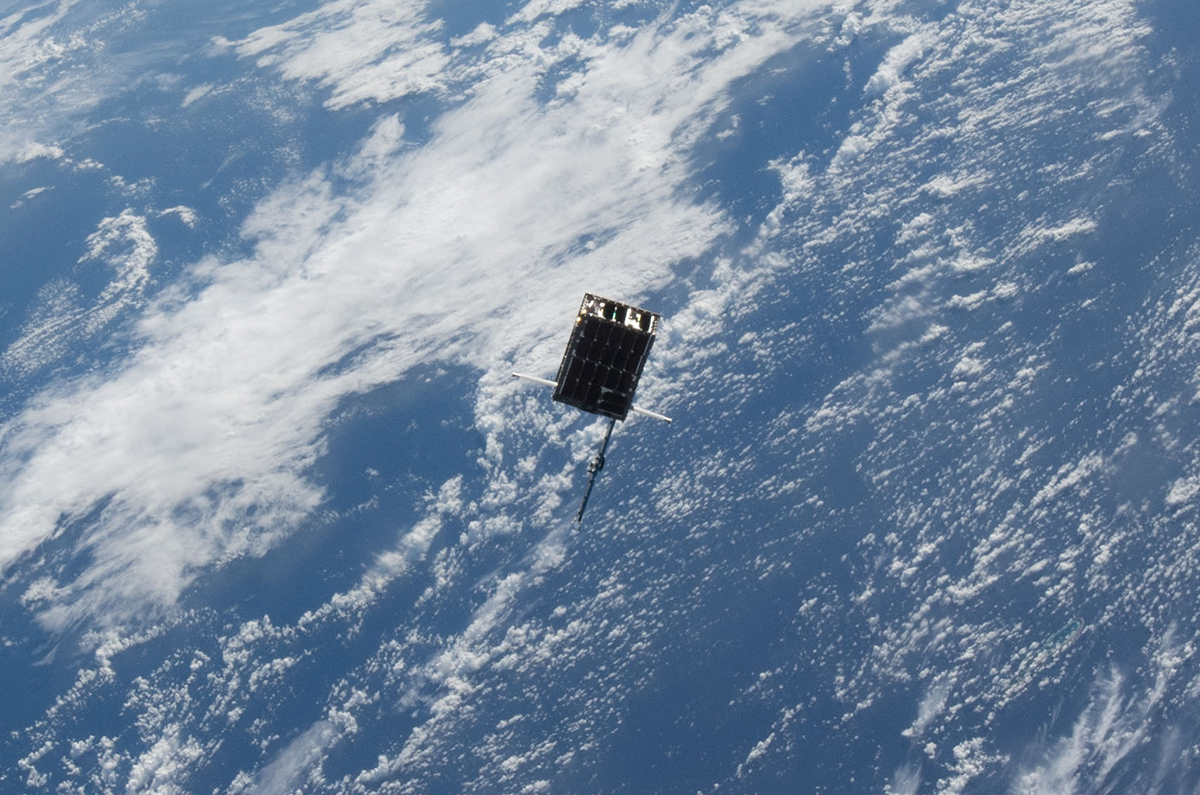
NASA-developed mechanism improves reliability of small satellites
To fit tiny satellites into tinier spaces on launch vehicles, Goddard Space Flight Center developed a new equipment-deployment system that’s more reliable than previous solutions. Thermal Management Technologies LLC of Logan, Utah, later licensed this technology for use on commercial satellites.
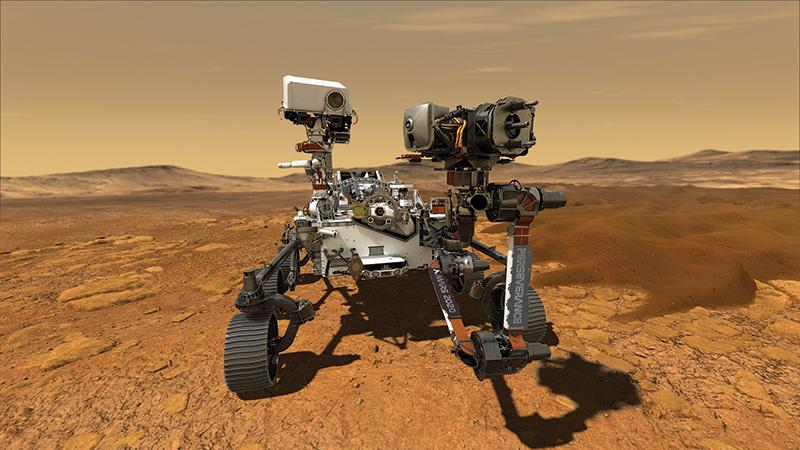
Technology on board the Perseverance rover is paying off on Earth
Before the Jet Propulsion Laboratory’s latest Mars rover made it to the red planet, several of the technologies developed for it were already commercialized, including an extremely sensitive spectrometer, improved circuit board manufacturing, and a specialized drill bit for geologists.
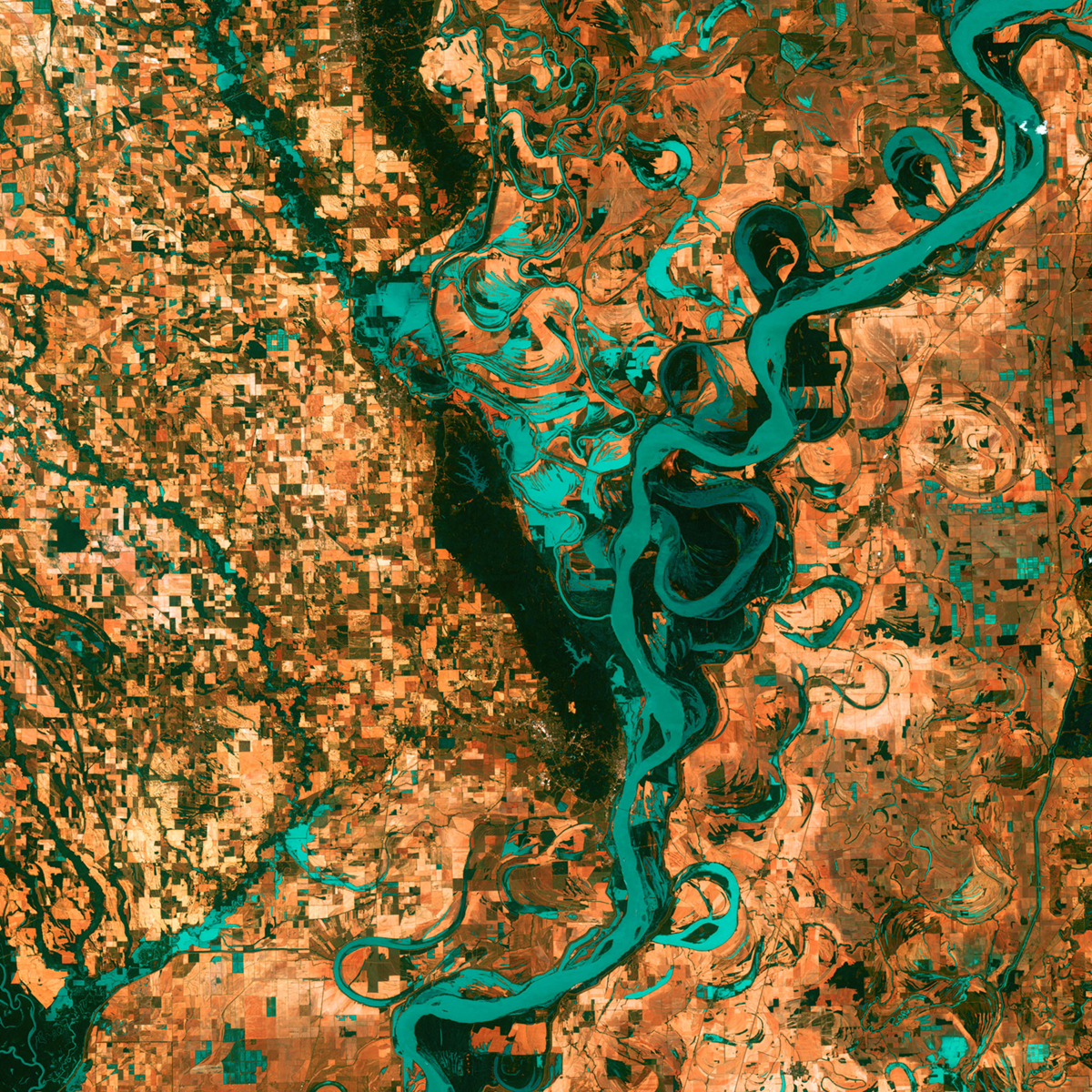
NASA resources helped develop CubeSat infrastructure that anyone can use
CubeSats start with a hardware bus that houses and enables payloads. NASA Tipping Point funding for test flights informed the development of the Trestles bus sold by Irvine, California-based Tyvak Nano-Satellite Systems Inc. Goddard Space Flight Center supports development of these technologies for agency and private sector activity.
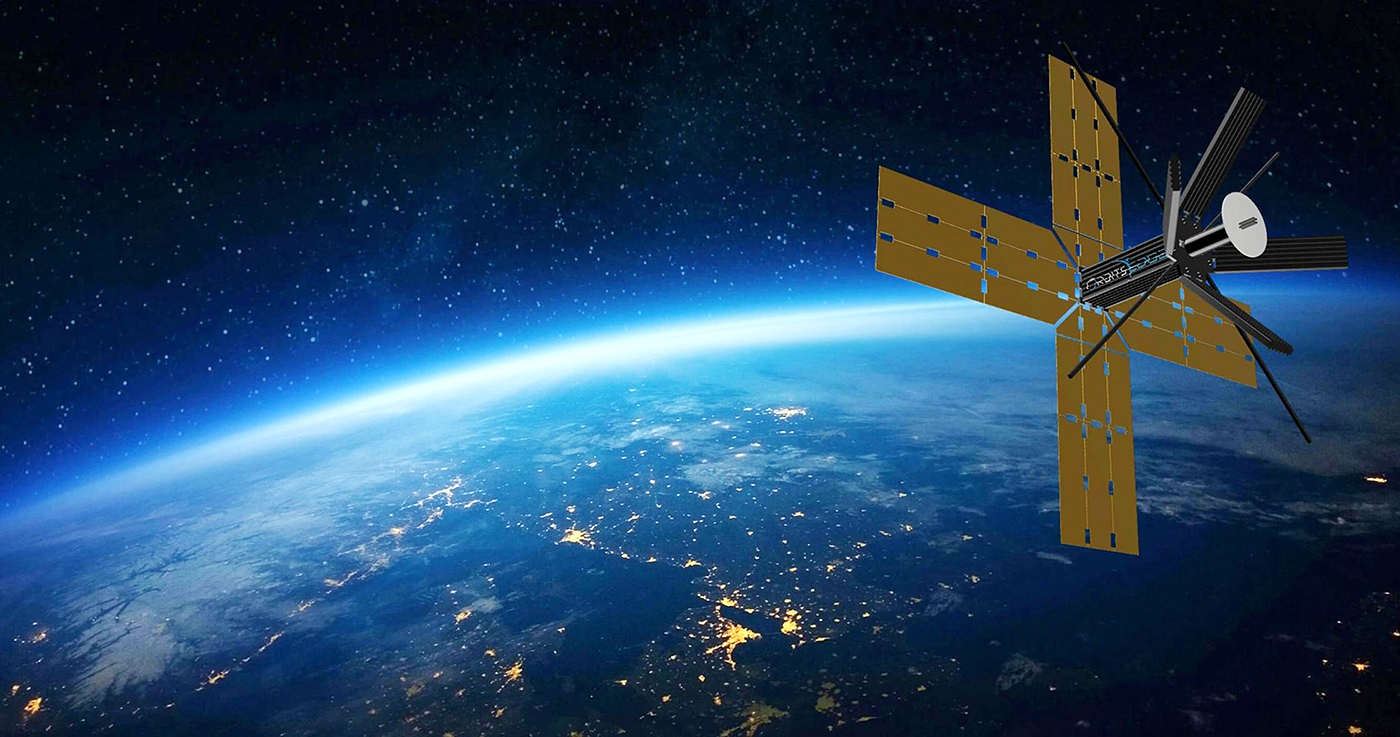
Spaceborne Computer missions demonstrate faster, easier protection against space radiation
Hewlett Packard Enterprise of Spring, Texas, worked with Ames Research Center to send a computer to space that was radiation-hardened with software. Now the approach is making fast, low-cost radiation hardening available to commercial space companies, allowing the use of cutting-edge computers in space.
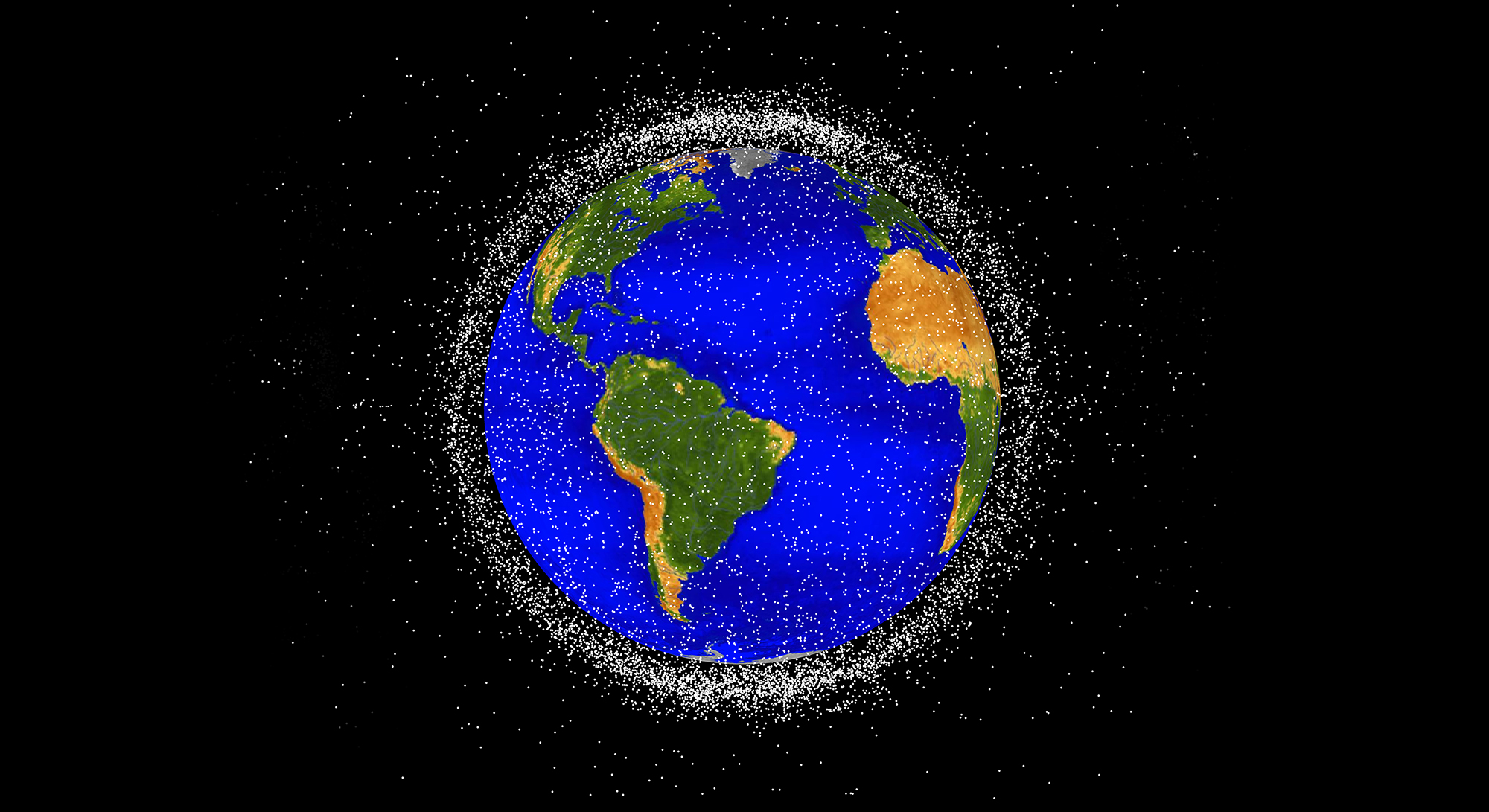
Space traffic coordination system helps make sure satellites stay in their lane
Using experience gained managing orbital awareness for NASA missions at Goddard Space Flight Center, Kayhan Space of Broomfield, Colorado, assists commercial space operators by providing software that ensures satellites don’t get dangerously close to other spacecraft or debris in the crowded space of low-Earth orbit.
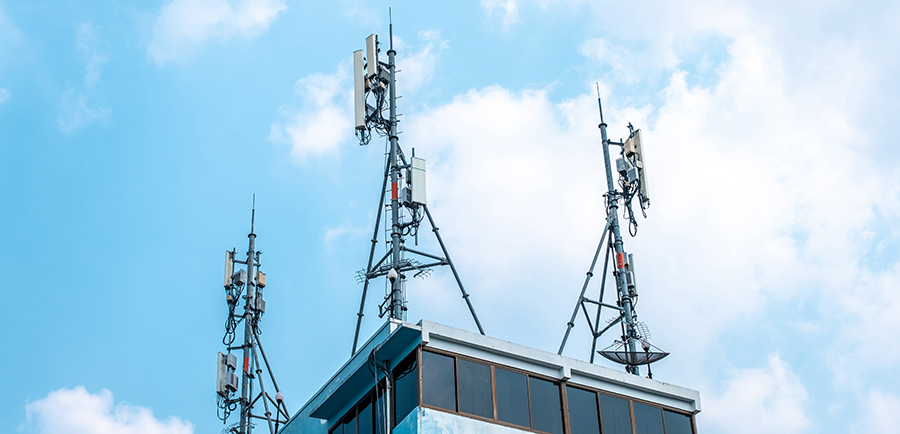
NASA-funded sensors test 5G cellular systems
Through NASA SBIR contracts with the Jet Propulsion Laboratory and Goddard Space Flight Center, Micro Harmonics built a new line of isolators that can operate at higher frequencies, and they are now being sold to testing laboratories for communications equipment.
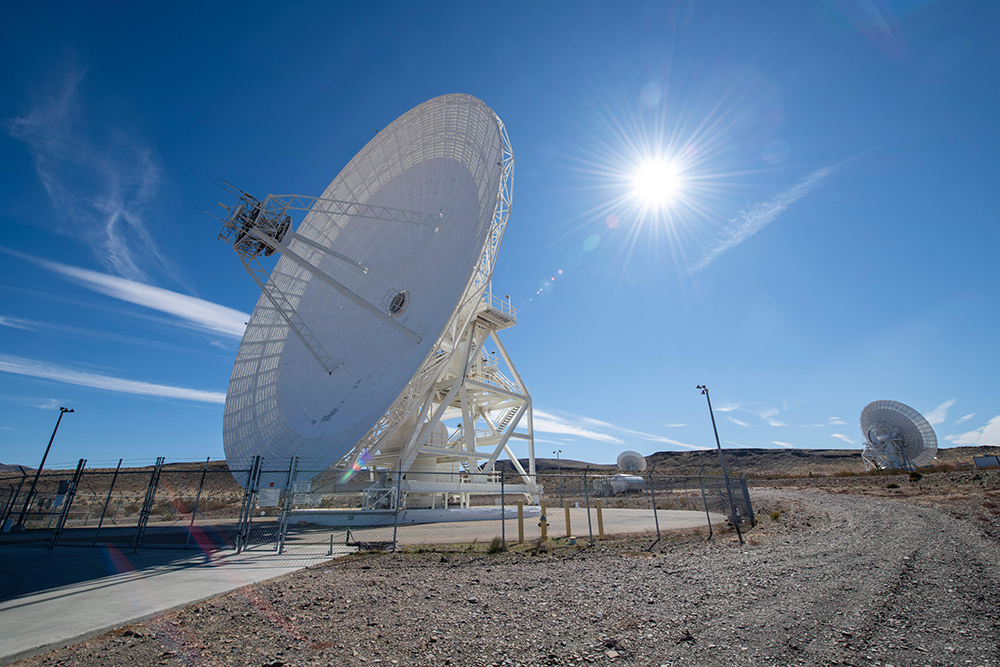
JPL photonics inventions improve lasers and oscillators for autonomous vehicles, next-generation communications, and quantum computing
The optoelectronic oscillator and whispering gallery mode optical resonator, created at the Jet Propulsion Laboratory and licensed to their inventor at OEwaves Inc. of Pasadena, California, have gained widespread popularity and enable high-performance lasers and communication devices for emerging fields.
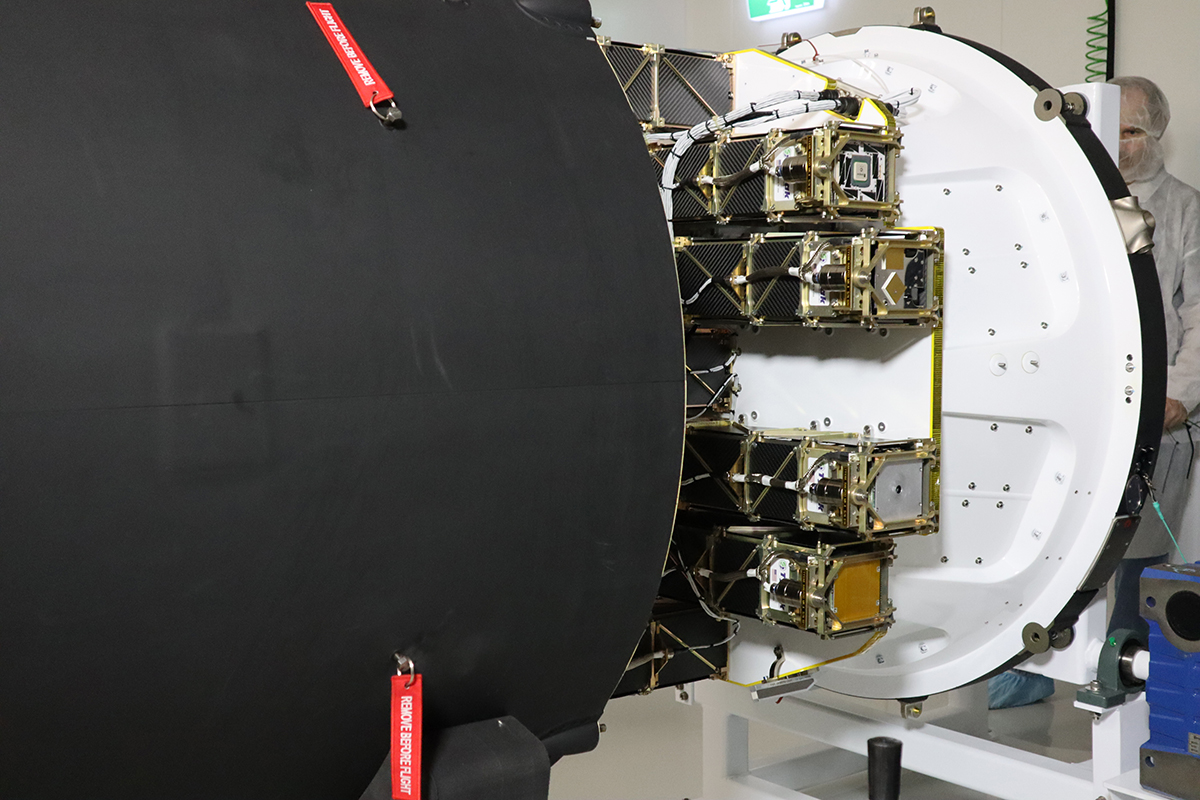
NASA-proven radio enables satellite-to-satellite communication
After a Kennedy Space Center test-flight program proved the capability of a tiny radio that enables satellite-to-satellite communication, the Upland, Indiana-based NearSpace Launch Inc. made it commercially available. Adding GPS made it possible for anyone to track a CubeSat while in low-Earth orbit.
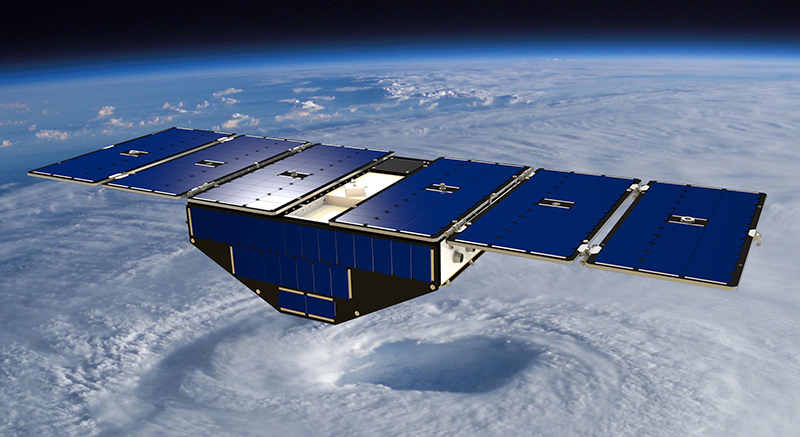
Scheduling software helps commercial space industry manage orbiting assets
Before starting Greenbelt, Maryland-based Orbit Logic, the founders developed scheduling software for a planned lidar mission at Goddard Space Flight Center. One of Orbit Logic’s first products was STK Scheduler, a generic, reconfigurable scheduling program for space operations. The company has sold licenses for the program to around 250 customers, including most NASA field centers.
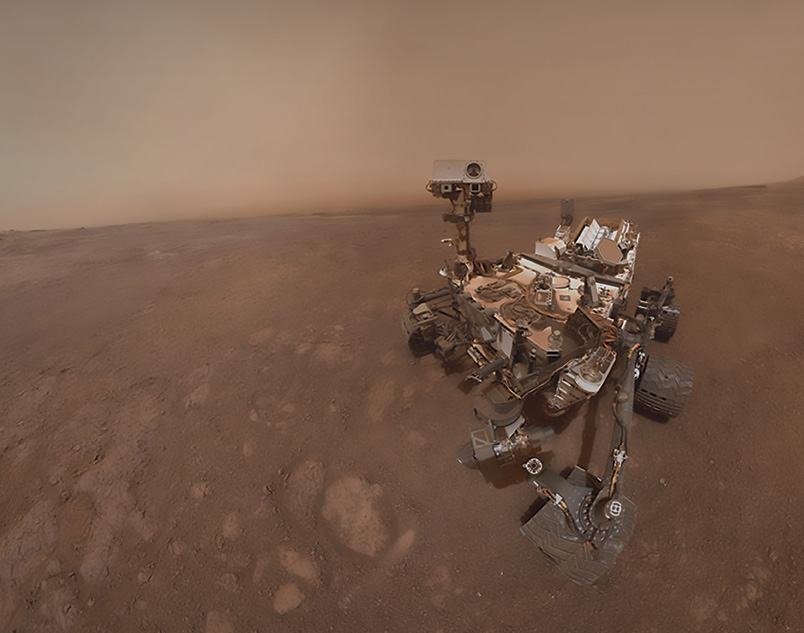
NASA data visualization software uses the past to help the future
Software designed at Ames Research Center helps mission controllers see at a glance what’s happening and when there’s a problem. The web-based platform, OpenMCT, can display streaming and historical data, imagery, timelines, procedures, and other data visualizations and can be quickly configured and reconfigured. Now that it is open source and freely available, it has many users, including the Planetary Society, based in Pasedena, California, which adopted OpenMCT to visualize the data coming in from LightSail 2, a spacecraft that is propelled solely by sunlight.
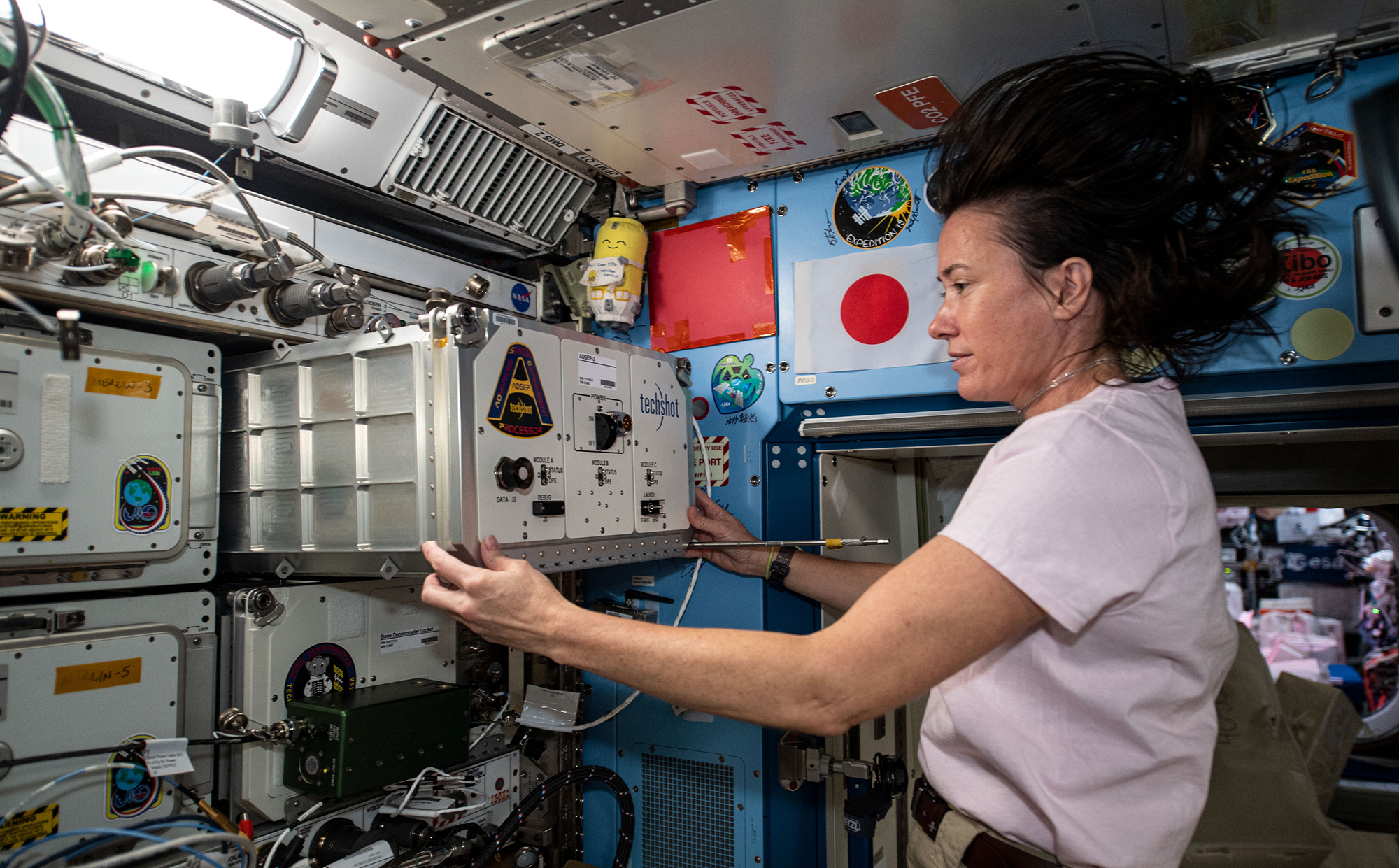
Commercial spaceborne research platform grows drug crystals, human tissue, more
Heart tissue, knee cartilage, and pharmaceutical crystals have been cultivated in space using Jacksonville, Florida-based Redwire’s ADSEP shelving unit, which was developed for and has been improved by NASA, including through Johnson Space Center funding.
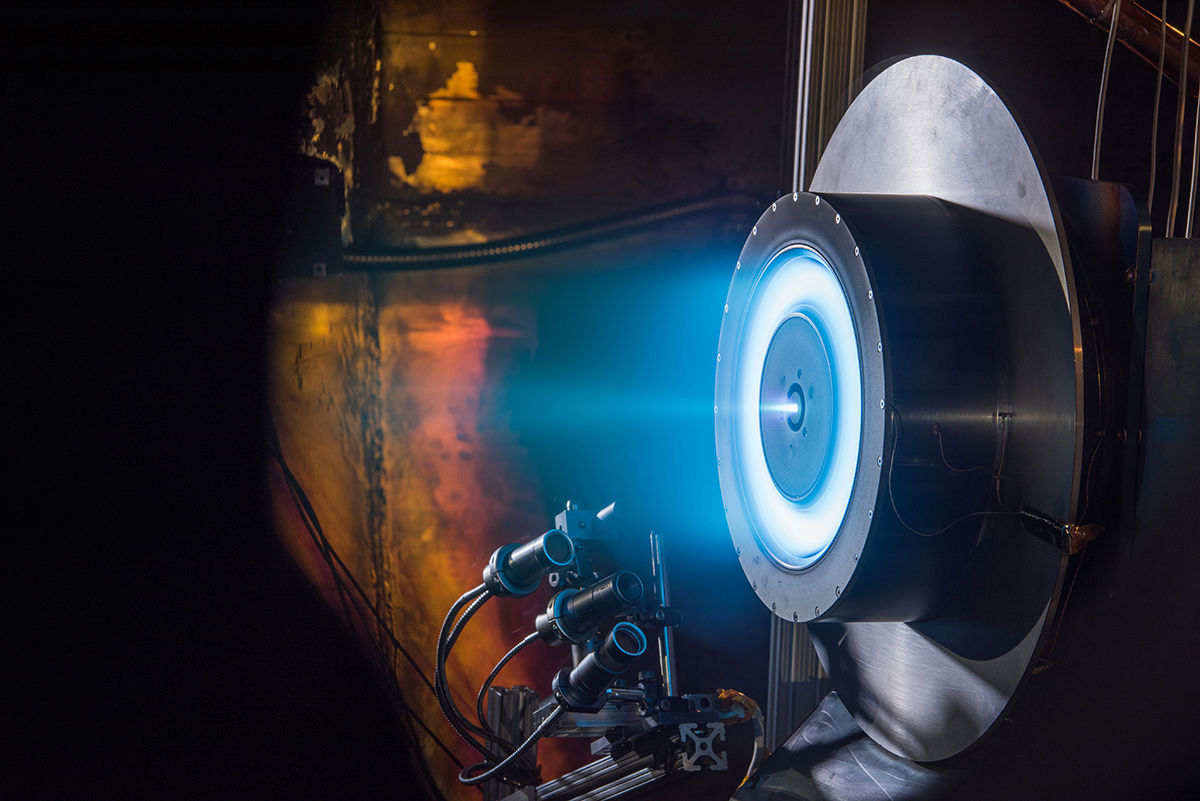
NASA electric thruster expertise, data keeps commercial satellites on the clock
When Orbion Space Technology Inc. of Houghton, Michigan, wanted to bring high-efficiency ion thrusters to the commercial satellite industry, the company entered into agreements with Glenn Research Center to receive guidance and data about how to build the perfect thrusters for small satellites.
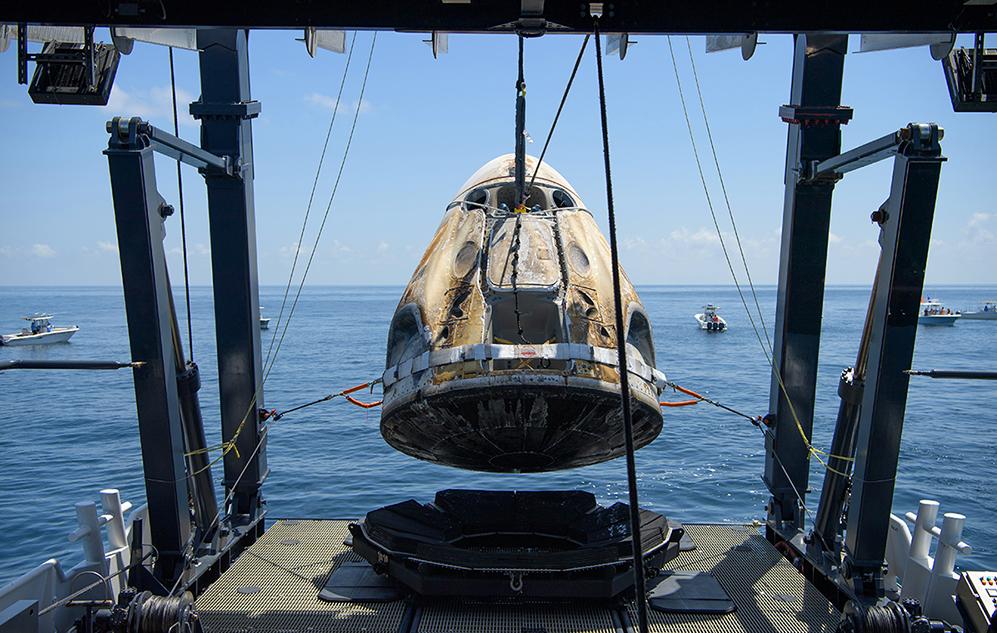
Crack-growth software that started with shuttle program has become global standard
Ensuring safety for astronauts on the world’s first reusable spacecraft required NASA’s space shuttle engineers to take novel approaches when calculating the structural dangers of small fractures. The fracture-mechanics and fatigue crack-growth software invented at Johnson Space Center is now licensed by about a thousand companies across four continents, from airplane and spacecraft manufacturers to gas turbine producers.
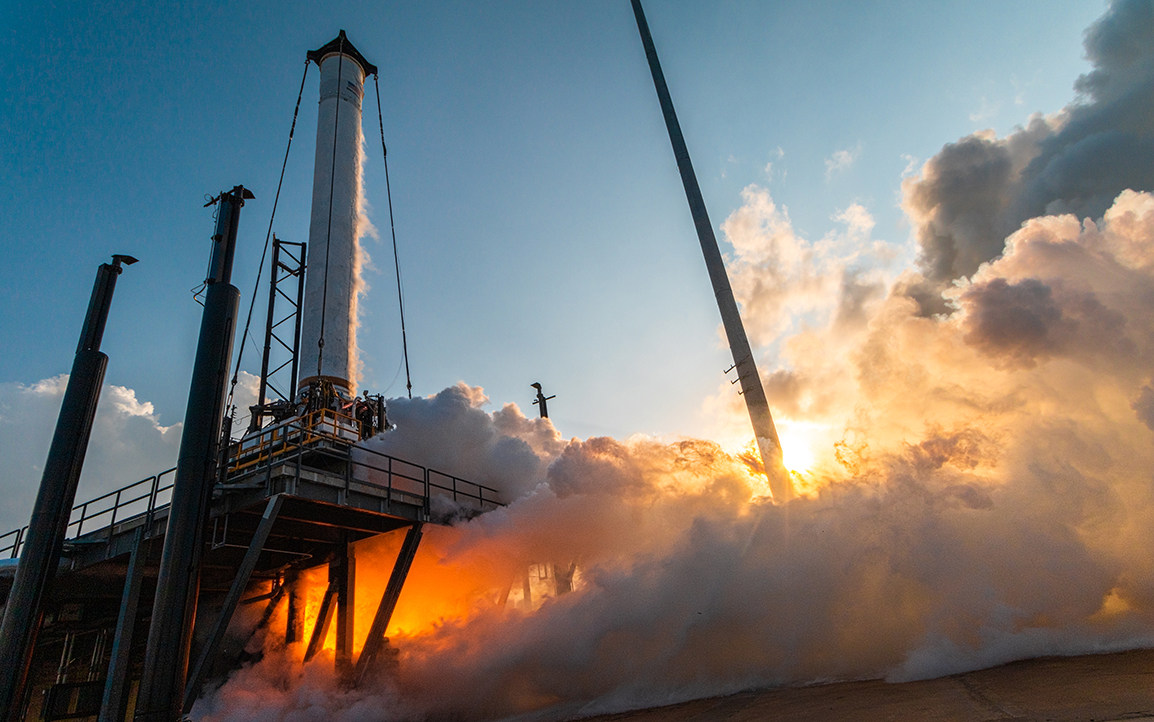
NASA teamwork on 3D printing and testing engines makes company's launch services more affordable
Through a series of Space Act Agreements, engineers at Marshall Space Flight Center have helped Relativity Space Inc. of Long Beach, California, 3D print its Aeon rocket engines using a NASA-invented copper alloy, and the company leases space and facilities at Stennis Space Center to test the engines. These partnerships have saved the company untold time and money.
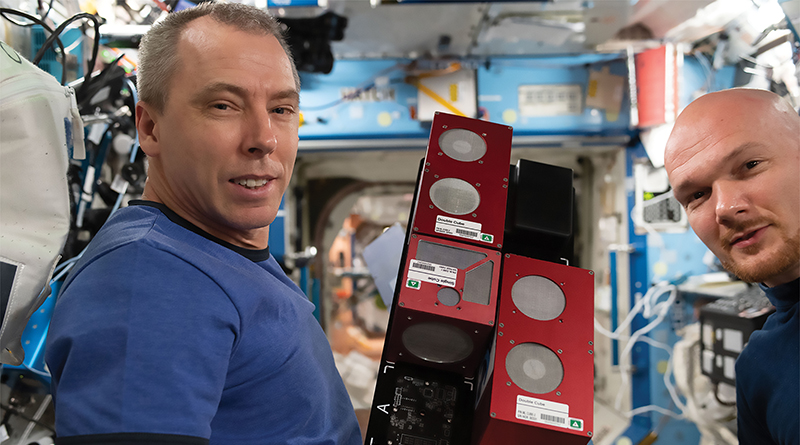
NASA support enables microlaboratories in microgravity
The space station offers a unique platform for learning how to take advantage of zero gravity to benefit people on the ground. That’s what motivates Lexington, Kentucky-based Space Tango, which sells lab space in orbit. In addition to being hosted on the space station (which supplies power and a data connection), the company designed its modular TangoLabs with help from safety and engineering groups at Johnson Space Center. Today, the company has launched over 100 experiments for clients ranging from researchers to Fortune 500 companies.
Converging efforts to 3D print engines promise major savings in rocketry and beyond
Tipping Point funding and an Announcement of Collaborative Opportunity, both from Marshall Space Flight Center, helped Erie, Colorado-based Elementum 3D refine its 3D printable aluminum alloys and processes to print large objects, including rocket engines.