NASA Technology Transfer University: Frequently Asked Questions
February 10,2026
Author
Mikaela McShane
Image
Title
Communications Specialist - NASA Entrepreneurial Engagement, Technology Transfer Program
What is NASA Technology Transfer University (T2U)?
Technology Transfer University is what you, the instructor, make it!
Essentially, T2U is an instructor-led initiative designed to integrate NASA-developed technologies into existing college curricula, enriching academic experiences and fostering potential new start-ups. It is intentionally flexible, allowing instructors to adapt its implementation to fit their teaching style and student needs. The technology concepts from NASA’s Patent Portfolio can be used as source material for student commercialization development projects, design thinking challenges, and many other academic applications.
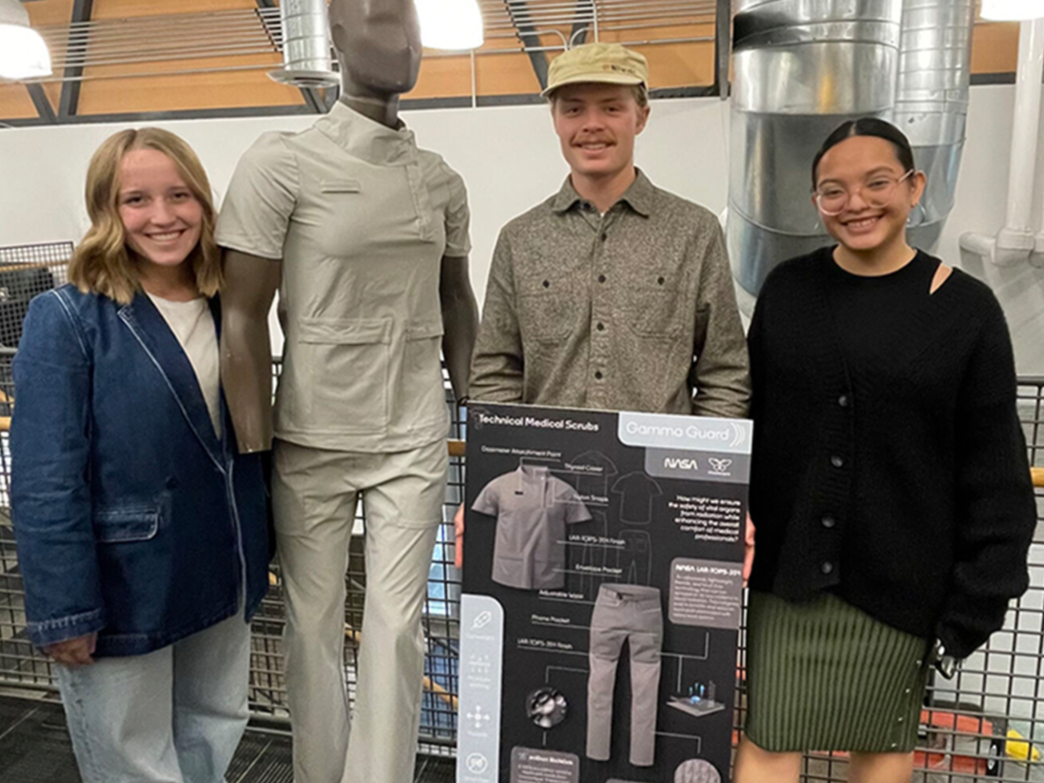
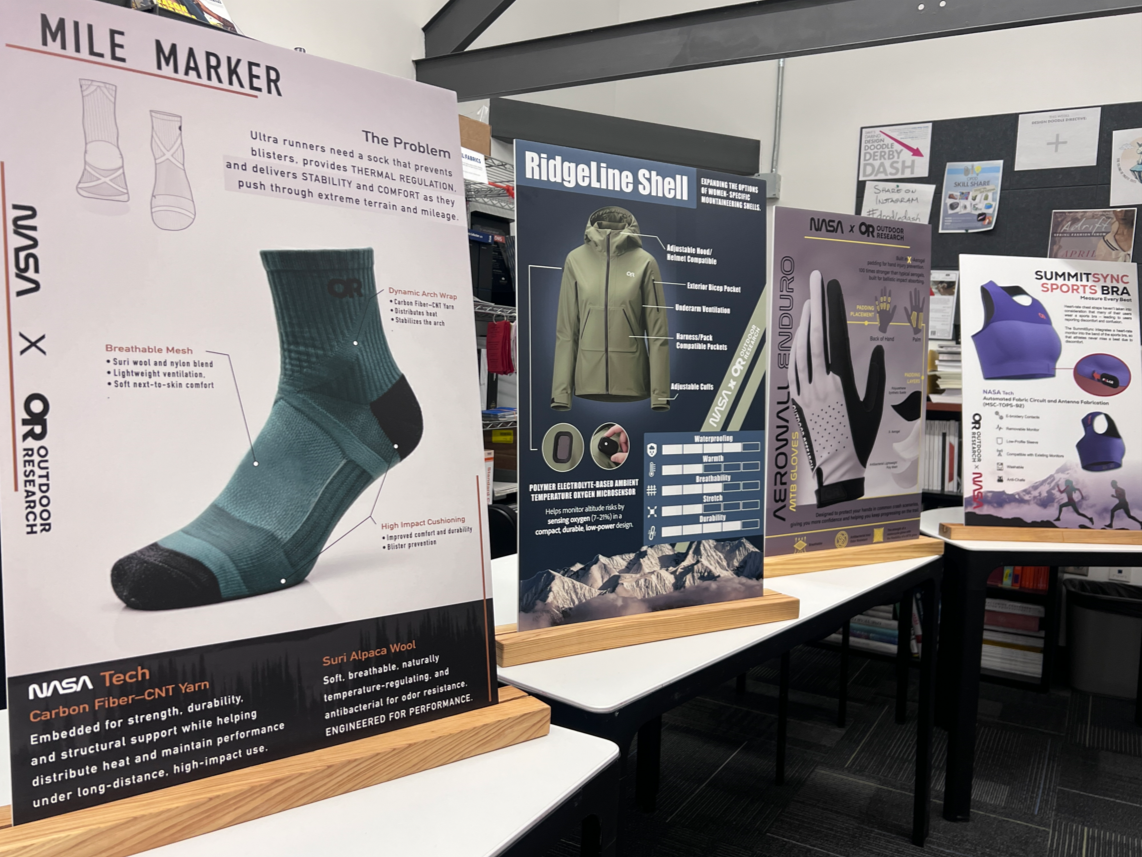
Utah State University students with product designs based on NASA technology
How can academic institutions utilize the NASA Patent Portfolio in their existing courses?
Instructors at academic institution can utilize the NASA Patent Portfolio in their classes to enrich business capstones, exercises in engineering and design thinking, and many other activities. The Patent Portfolio contains over 1,300 technologies across 15 categories for students to choose as source material for the basis of a project. For example, as a capstone project, your students could choose a technology from the portfolio and take it through each stage of development, developing a business and commercialization plan around it.
What if I want to develop a new course around this content?
You can absolutely design a new course or series of courses to expressly feature the NASA Patent Portfolio. While the Technology Transfer team is not positioned to co-create the class with you, they can offer examples of what they have seen other schools do. You can also view our T2U Innovation Series webinar recordings to get inspiration from other instructors who use NASA technology concepts in their courses. These sessions feature firsthand experiences and best practices from distinguished educators across the country. Participants share valuable perspectives on the educational benefits of working with NASA-developed technologies and the entrepreneurial potential of leveraging NASA intellectual property to launch tech-based companies. There are also numerous stories on the T2U website detailing successful and innovative approaches that instructors have taken to leverage NASA-developed technology to enrich their coursework.
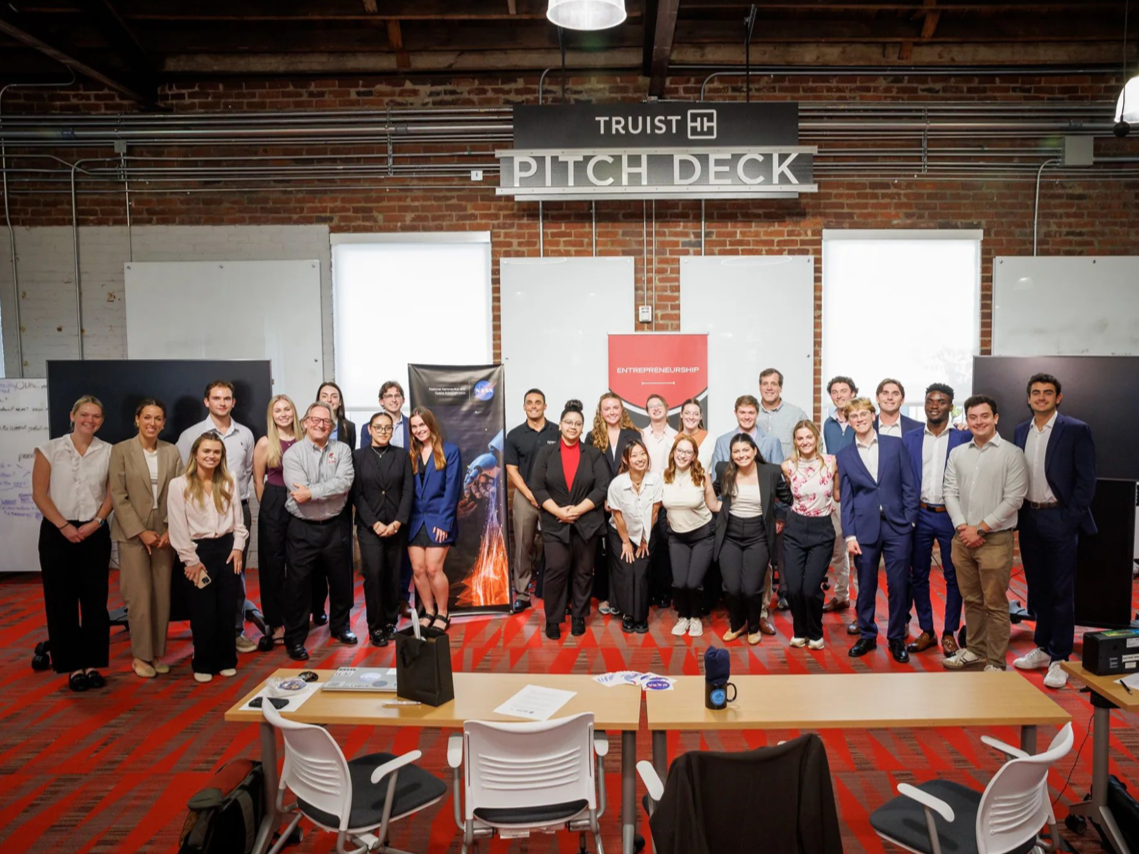
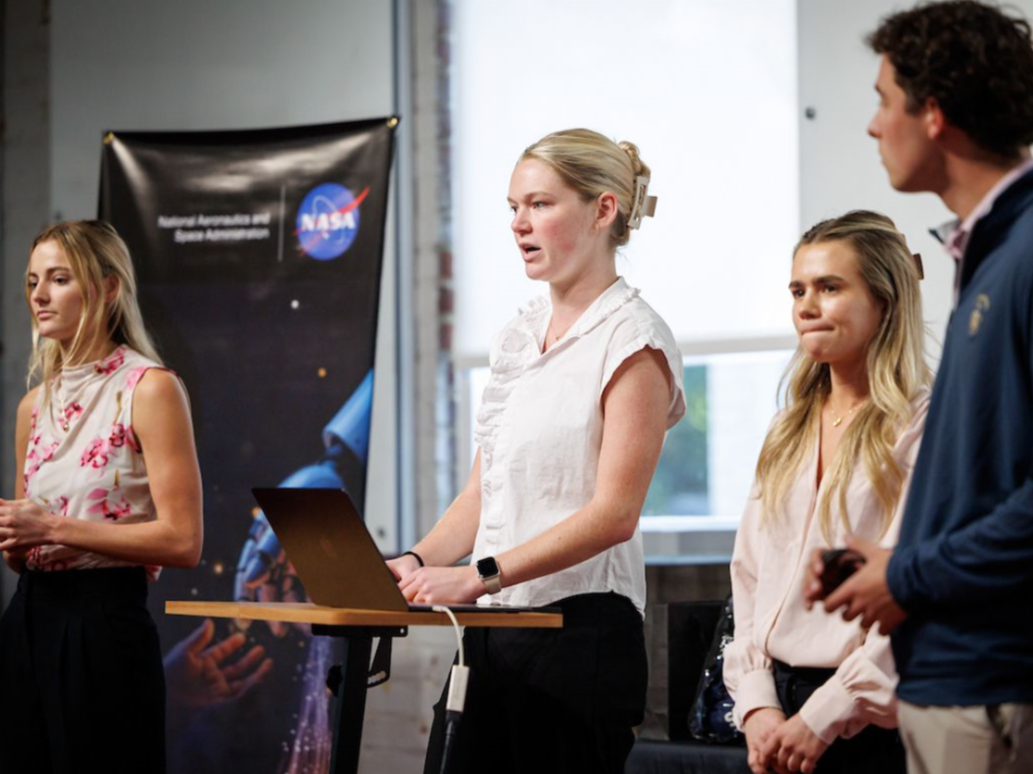
Students at a University of Georgia Pitch Event
Who can participate?
Any US-based college or university.
What public resources are available to me and my students?
NASA has a plethora of resources that instructors can leverage in their courses. There are more than 80 technology webinars on our page, featuring valuable insights from inventors that can help students dig deeper into their chosen technology concept. We also have a webinar series featuring start-up companies who have successfully commercialized NASA technology, which can be inspiring for commercialization projects. NASA Spinoff is also a wonderful resource for students. Spinoff highlights NASA technologies that benefit life on Earth in the form of commercial products.
Are there any required deliverables back to NASA?
As T2U is an informal initiative, there are no required deliverables, however we are happy to join the classes’ final presentations (on an as-available basis) and review student presentation materials digitally. Students provide a fresh perspective on NASA technology concepts that can be useful in thinking about how best to market them.
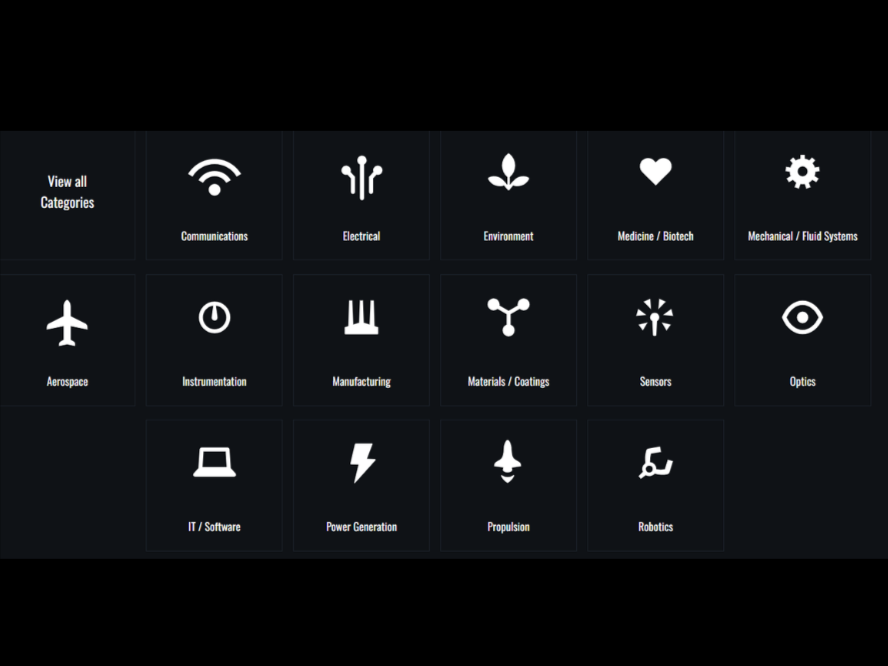
NASA's patent portfolio features 15 categories of over 1,300 technologies
Why does NASA patent technologies?
NASA’s Technology Transfer program patents technologies originally developed to support the agency’s mission of exploring the unknown in air and space. By transferring these advancements to industry on Earth, the program ensures that NASA not only inspires the world through discovery but also innovates for the benefit of humanity, fostering economic growth, solving terrestrial problems from water safety to public health, and maximizing the public benefit from taxpayer-funded research.
What kind of technology does NASA patent?
NASA's Patent Portfolio hosts information on more than 1,300 technologies that have been organized into 15 broad categories. These categories are used to help identify and classify NASA's technologies for easier access and licensing.
What if my students want to create a start-up?
University of Georgia students showcase ideas at a pitch event
Students are welcome (and encouraged) to take their commercialization concepts beyond the classroom. NASA has a dedicated start-up license that students can take advantage of. License application process instructions are as follows:
Step 1: Find the Technology
Go to https://technology.nasa.gov and browse the Patent Portfolio.
Open the listing you want and click “Apply to License” (top right of the page).
Step 2: Create Your NASA Guest Account
If you don’t have an account, you’ll be prompted to create one at https://guest.nasa.gov.
This account is your AUID (Agency User ID) for future logins.
Use your email and chosen password for login later.
Walter Ugalde presents at UNC Monfort College of Business before their initial semester of NASA Technology Transfer University
Step 3: Open the Application
The application form should open automatically.
If it doesn’t, return to the listing and click “Apply to License” again.
Step 4: Complete the Application
Fill out the form with detailed, specific answers.
Save regularly while working.
Tip: Don’t leave the form open for long periods — save and close if you step away.
Step 5: Submit and Sign
Click “Sign and Submit.”
Review the read-only version, scroll down, and complete the e-signature.
You’ll receive a confirmation email once your application is submitted.
Step 6: NASA Review & Next Steps
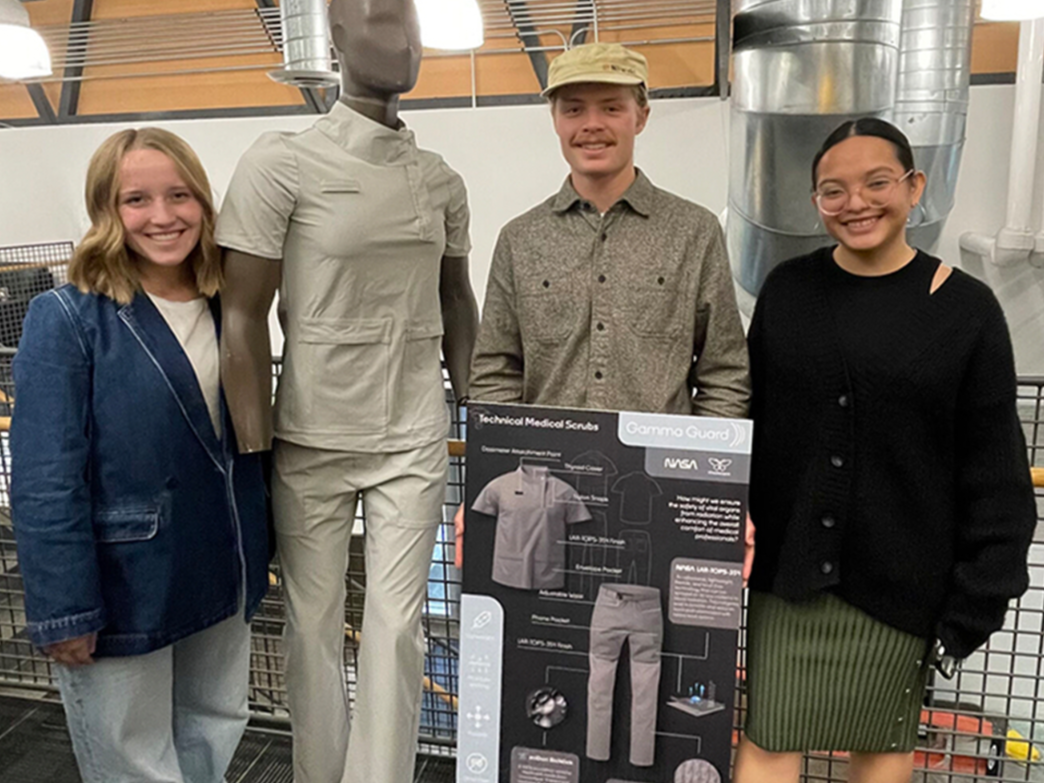
Product designs by Utah State University students, inspired by NASA technologyNASA’s licensing team will review your application and contact you.
If both parties agree to proceed:
You’ll get an email with additional license-specific questions.
After receiving your response, NASA will finalize the decision and draft the license for your review and signature.