NASA Technology Licensing Webinars
NASA Technology Licensing Webinars
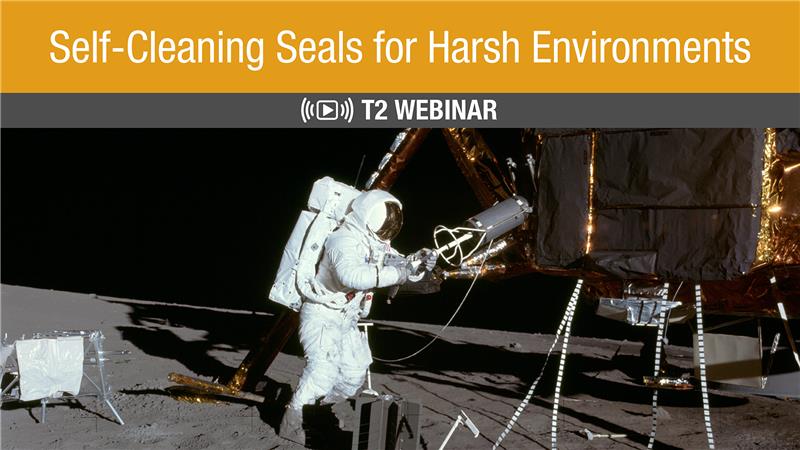
NASA's Self-Cleaning Seals (Electrodynamic Dust Shield) Technology Webinar
NASA’s self-cleaning seals use electrodynamic dust shielding technology to actively repel dust, preventing wear and tear while ensuring continuous efficiency. These seals can operate in both continuous and period cleaning modes. They offer vast potential for applications beyond space, including industries like material handling, mining, and pharmaceutical manufacturing. Space applications include self-cleaning seals for hatches, suit ports, airlocks, and docking systems for pressurized volumes (e.g., habitats, rovers, space suits) in dusty environments such as the lunar surface. For more information on this technology, please visit: https://technology.nasa.gov/patent/KSC-TOPS-101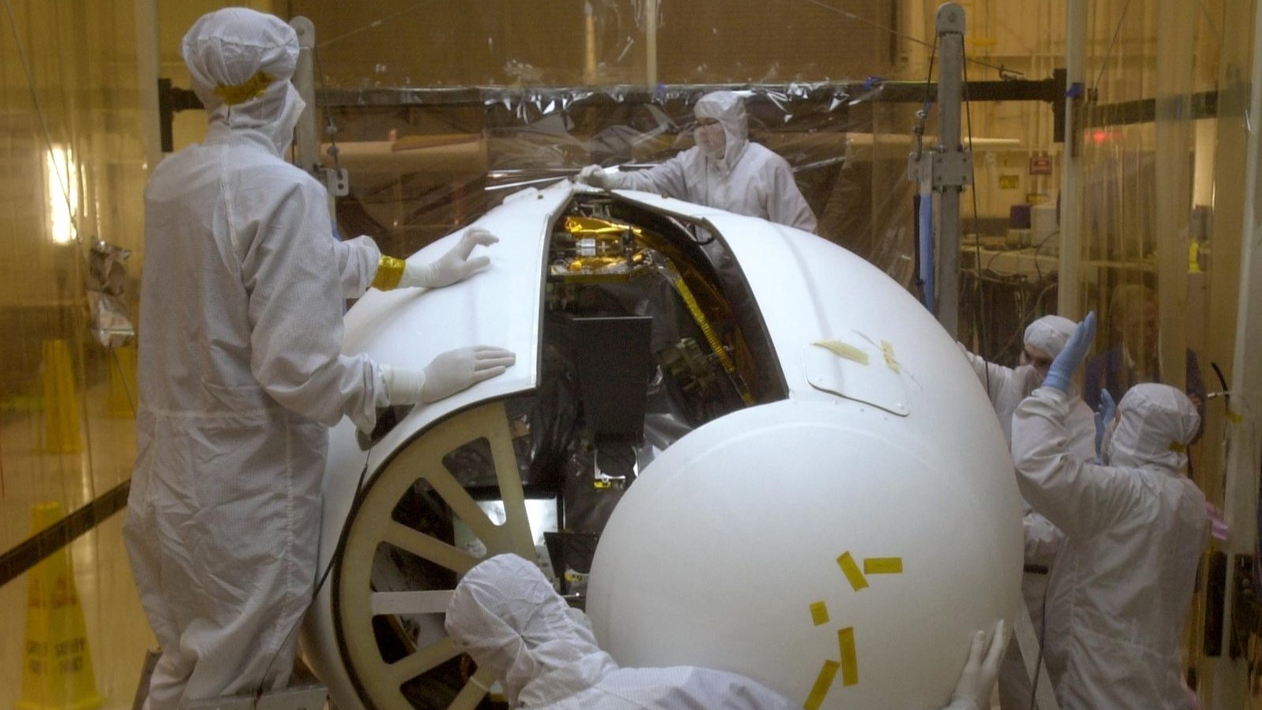
NASA's High-rate Delay Tolerant Networking (HDTN) Network Operations Webinar
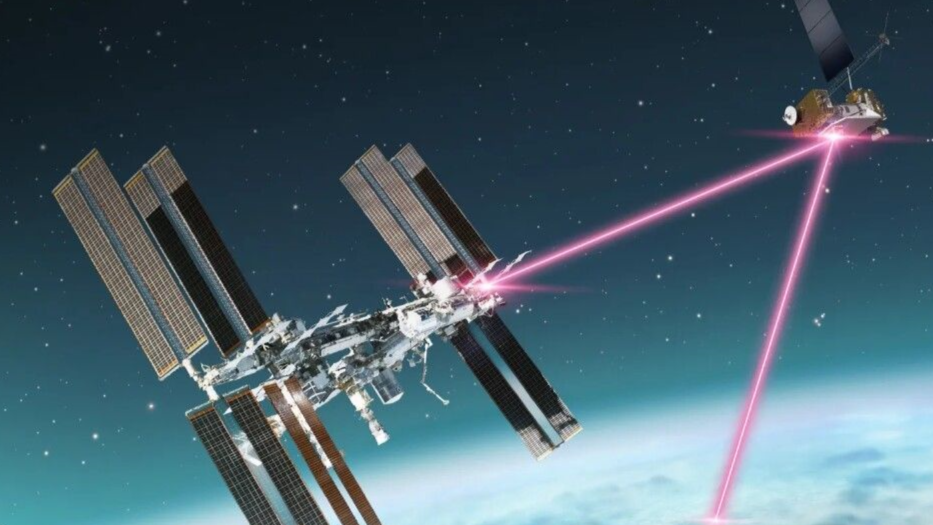
The High-rate Delay Tolerant Networking (HDTN) Network Operations Release is the culmination of multiple years of software development, end-to-end network testing, flight experiment operations, and formal verification and validation per NASA Procedural Requirements 7150.2D to mature early HDTN prototypes into a complete software package ready for space network operations. Delay Tolerant Networking is an architecture and set of protocols meant to support communication links which are characterized by disruption and delay or where a robust end-to-end path is not available. HDTN was specifically developed to meet the requirements of high-rate optical communication links, enterprise ground networks supporting multiple inputs and outputs, and low Size Weight and Power (SWaP) space platforms, including small satellites. The HDTN implementation focuses on efficient message processing, storage, and data transfer while maintaining a modular architecture with modern software dependencies. The HDTN Network Operations Release provides state-of-the-art protocols and full feature DTN support including Bundle Protocol version 7, Bundle Protocol version 6 with custody transfer, Aggregate Custody Signals (ACS), streaming over Real-time Transport Protocol (RTP), Bundle Protocol Security, and a full suite of convergence layers including Licklider Transmission Protocol (LTP), Transmission Control Protocol (TCP) convergence layer version 3 and 4, Simple TCP, and User Datagram Protocol (UDP). This new version of HDTN supports Contact Graph Routing, Contact Multigraph Routing, dynamic contact plan updates, and link state detection via a custom DTN ping capability. A variety of applications have been added including bundle generation, real-time streaming, file transfer, general packet conversion to bundle, ping, and an application programming interface supporting many basic commands. A web-based user interface has been added to display metrics in tabular and plot format, as well as a visual system-level overview. Troubleshooting features including logging metrics to file, logging error and status messages to console and file, and a command line interface have also been included. In addition to providing a wide range of features, the HDTN Network Operations Release has completed successful flight experiments and operations onboard the International Space Station and a CubeSat demonstration, and has completed rigorous testing through static analysis, requirements verification and validation, and has a full set of software documentation available to support space flight and ground operations missions. HDTN Network Operations Release has been used to successfully demonstrate gigabit per second (Gbps) data transfer in a relevant space flight environment, and up to 30 Gbps in a laboratory environment. https://software.nasa.gov/software/LEW-19897-2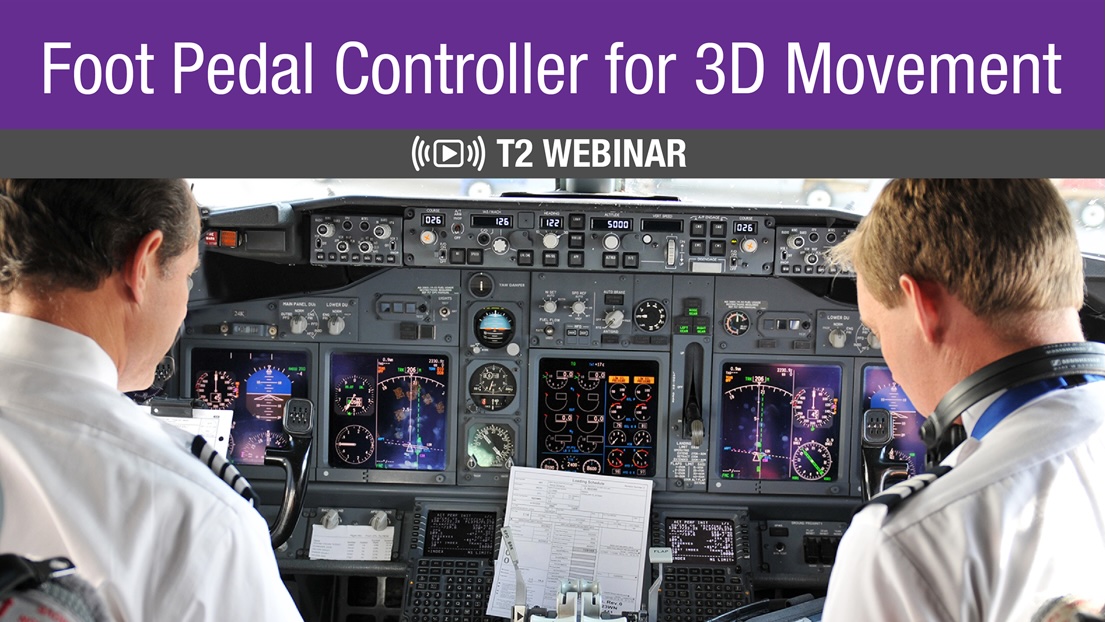
NASA's Foot Pedal Controller for 3D Movement Webinar
Innovators at the NASA Johnson Space Center (JSC) have developed a novel foot-pedal operated system and device to control movement of an object in three-dimensional (3D) space. The Foot Pedal Controller system enables operators to control movement of spacecraft, aircraft, and watercraft using only foot pedals. This design leaves the hands free for simultaneous operation of other equipment. The Foot Pedal Controller integrates six articulating mechanisms and motion sensors and provides continuous positional feedback to the operator. Motion control across six degrees-of-freedom is enabled by three-control motions for each foot. Specifically, the foot pedal controller moves the object forward/backward, up/down, left/right (translation in three perpendicular axes) combined with rotation about three perpendicular axes, often termed pitch, yaw, and roll. This NASA Technology is available for your company to license and develop into a commercial product. NASA does not manufacture products for commercial sale. https://technology.nasa.gov/patent/MSC-TOPS-52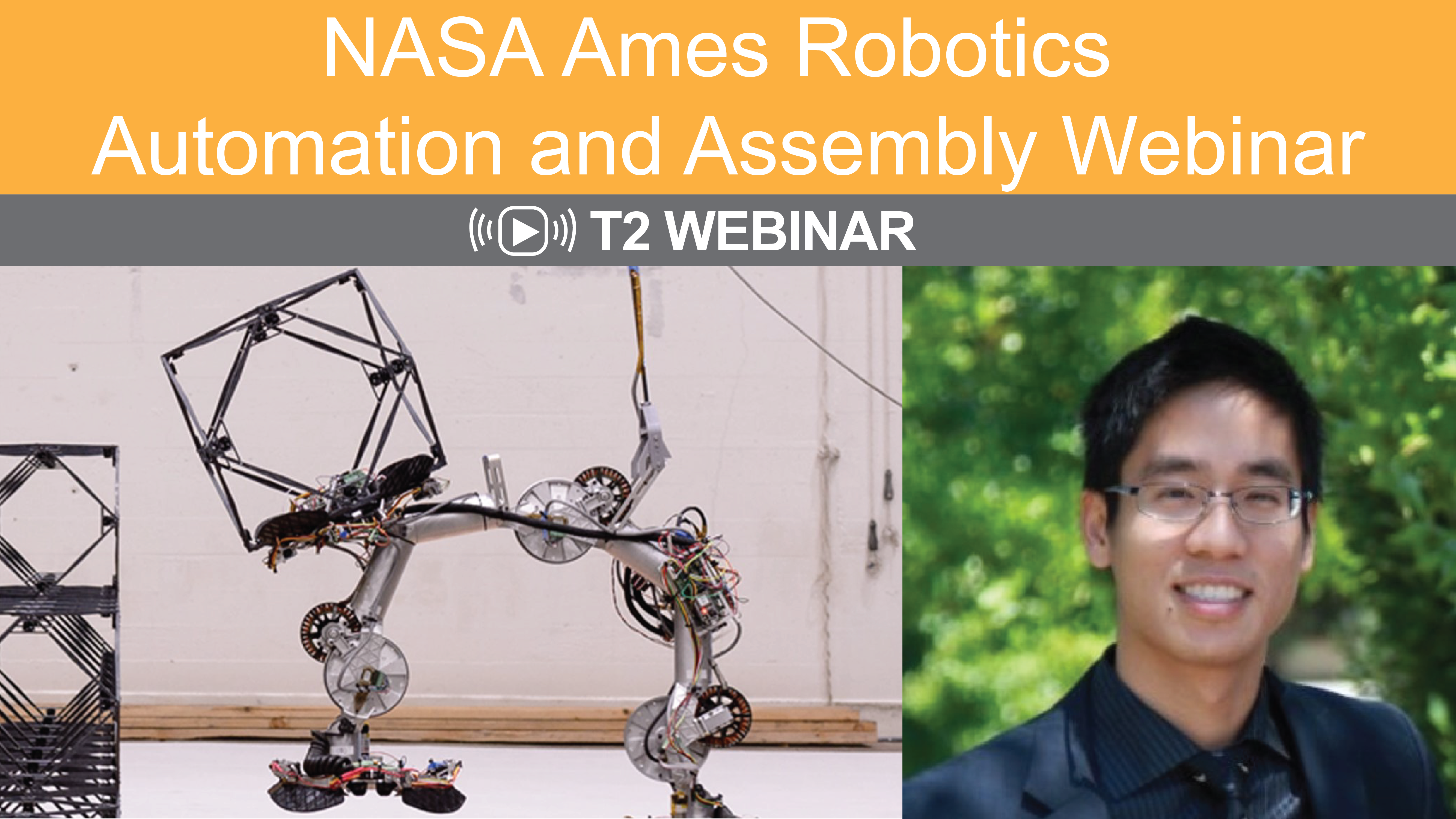
NASA Ames Robotics Automation and Assembly Webinar
Robotic system for assembly and maintenance of lightweight reconfigurable structures (TOP2-321) Missions to the moon and other planets will require large-scale infrastructure that would benefit from autonomous assembly by robots without on-site human intervention. Modular and reconfigurable structures, such as those built from lattice-based building blocks, are reusable and easy to manufacture. Furthermore, reconfigurable systems have the potential to outperform traditional, fixed infrastructure in applications that require high levels of flexibility in addition to structural strength and rigidity. NASA Ames Research Center has developed a novel and efficient mobile bipedal robot system to construct low-mass, high precision, and large-scale infrastructure. The mobile bipedal robot system is configured to carry, transfer, and place lattice-based modular unit cells, called voxels, to form a three-dimensional lattice structure. A team of mobile bipedal robots can autonomously unpack and assemble unit cells into functioning structures and systems. The technology provides an integrated system that enables large-scale surface and in-space structural assembly. https://technology.nasa.gov/patent/TOP2-321 Method for discrete assembly of Cuboctahedron Lattice Materials (TOP2-315) Aeronautical and aerospace applications require strong and stiff lightweight materials and structures. The invention relates to a construction system for mechanical metamaterials based on discrete assembly of a finite set of types of parts, which can be assembled in varying orders to produce spatial variation in a range of properties such as rigidity, and auxetic behavior. This system achieves desired material properties through design of the parts such that global behavior is governed by local mechanisms. The invention describes the design methodology, production process, modeling, and experimental characterization of metamaterial behaviors. This approach benefits from incremental assembly that eliminates system deployment scale limitations, best-practice manufacturing of components for reliable, low-cost production, and interchangeability through the use of a consistent assembly process across part types. https://technology.nasa.gov/patent/TOP2-315 Reversible Androgynous Mechanical Fastener (TOP2-310) Researchers at NASA Ames Research Center have developed an androgynous fastener with high misalignment tolerance characteristics, which is suitable for robotic actuation. This fastener was developed in conjunction with a high-performance building-block structural system that can be robotically assembled by robust collective automated assembly into large, reconfigurable structures ranging from assembly of lunar habitats to terrestrial structures. The fastener mechanisms employ alignment principles similar to the International Berthing and Docking Mechanism (IBDM) in order to relax the positioning requirements of the assembly robots. This novel androgynous fastener provides the desired performance required for robotic assembly of the structural systems and also minimizes or eliminates the problems and disadvantages associated with conventional or traditional fasteners. https://technology.nasa.gov/patent/TOP2-310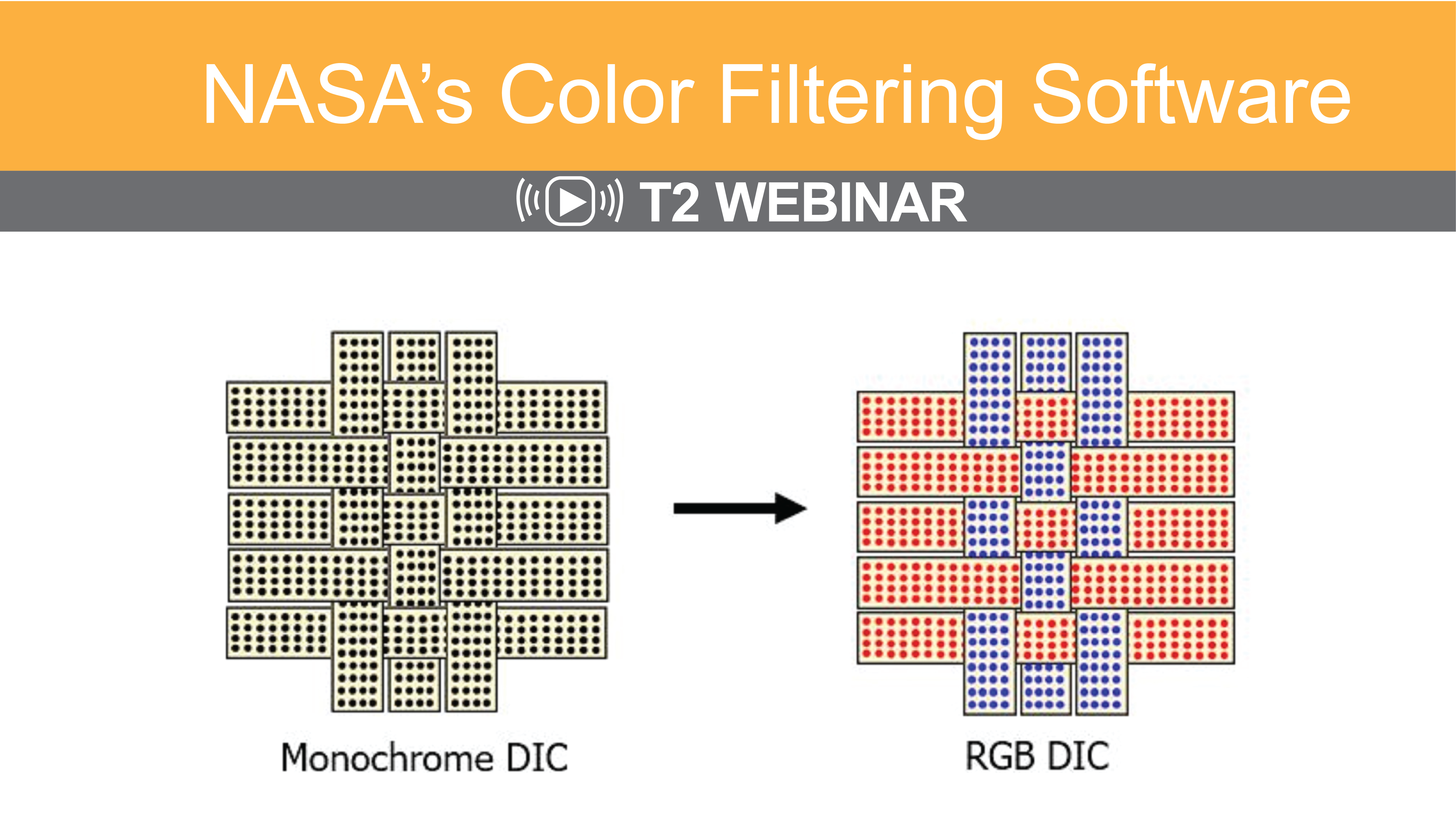
NASA's Color-Filtering Software for Woven Material Strain Analysis Webinar
Innovators at NASA Johnson Space Center have developed a technology that can isolate a single direction of tensile strain in biaxially woven material. This is accomplished using traditional digital image correlation (DIC) techniques in combination with custom red-green-blue (RGB) color filtering software. DIC is a software-based method used to measure and characterize surface deformation and strain of an object. This technology was originally developed to enable the extraction of circumferential and longitudinal webbing strain information from material comprising the primary restraint layer that encompasses inflatable space structures. Whereas traditional methods of monochrome DIC can only measure strain in each of the biaxial directions separately, this DIC with RGB color filtering technology can measure strain in a single analysis. The analysis process begins by applying a speckled pattern to the subject material to which multiple photographic images are generated from a set of stereo cameras. These images are correlated/analyzed in post-processing to determine relative displacement of the speckles across a surface when testing for tensile strain. Traditional DIC software assumes a solid material substrate, but in interwoven materials the substrate consists of bi-directional patterns. This causes errors in strain data derived when the analysis is performed by DIC software alone. https://technology.nasa.gov/patent/MSC-TOPS-134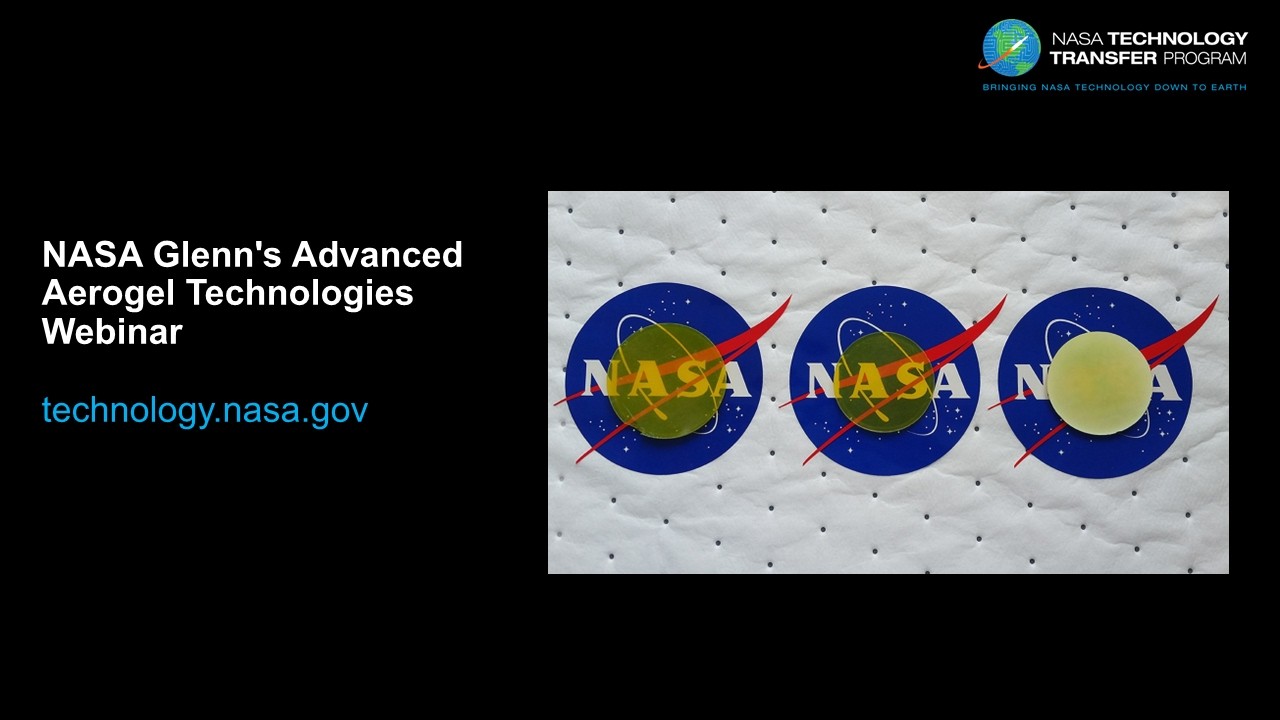
NASA Glenn's Advanced Aerogel Technologies Webinar
Innovators at NASA's Glenn Research Center have expanded their growing portfolio of aerogels to include a new optically transparent polyimide aerogel. Aerogels - low density, highly porous, ultralight materials derived from gels - can be fabricated to achieve specific, desirable traits, including various ranges of optical transparency. In the past, high optical clarity was most commonly produced in silica aerogels, which shed dust particles and are notoriously fragile and brittle. In contrast, polyimide aerogels possess remarkable strength and flexibility. They are often used in aerospace applications due to their ability to retain their physical and mechanical properties in thermally and chemically demanding environments. Glenn's new polyimide aerogel maintains the robust nature of a polyimide network, while providing the added feature of extremely high surface areas and uniform pore size and distribution. This unique combination of strength, transparency, and exceptional insulating properties make these aerogels ideal for replacing windows, windshields, and more at a fraction of the weight and without the use of harmful or toxic chemical coatings. https://technology.nasa.gov/PAtent/LEW-TOPS-117
NASA Ames Webinar Series: Technologies of Tomorrow
Discover an advanced aircraft wing design with enhanced flexibility and fuel efficiency, featuring a unique bracing system and adjustable wing sweep. Explore how a strobing technique reduces the display blur caused by vibrations in challenging environments, enhancing clarity in aerospace, naval, and industrial applications. Learn about our interactive diagnostic tool that revolutionizes modeling for fault detection and system debugging, streamlining data analysis. Plus, uncover how our MAESTRO system leverages machine learning to provide GPS-free wind and kinematic estimations, ensuring safe navigation for small air vehicles in complex urban environments. Presented by NASA Ames Research Center’s team of innovators, this session is essential for those interested in licensing the next generation of high-performance technologies. Interactive Diagnostic Modeling Evaluator Variable Geometry Aircraft Wing Supported By Struts and/or Trusses Airborne Machine Learning Estimates for Local Winds and Kinematics Context Based Configuration Management System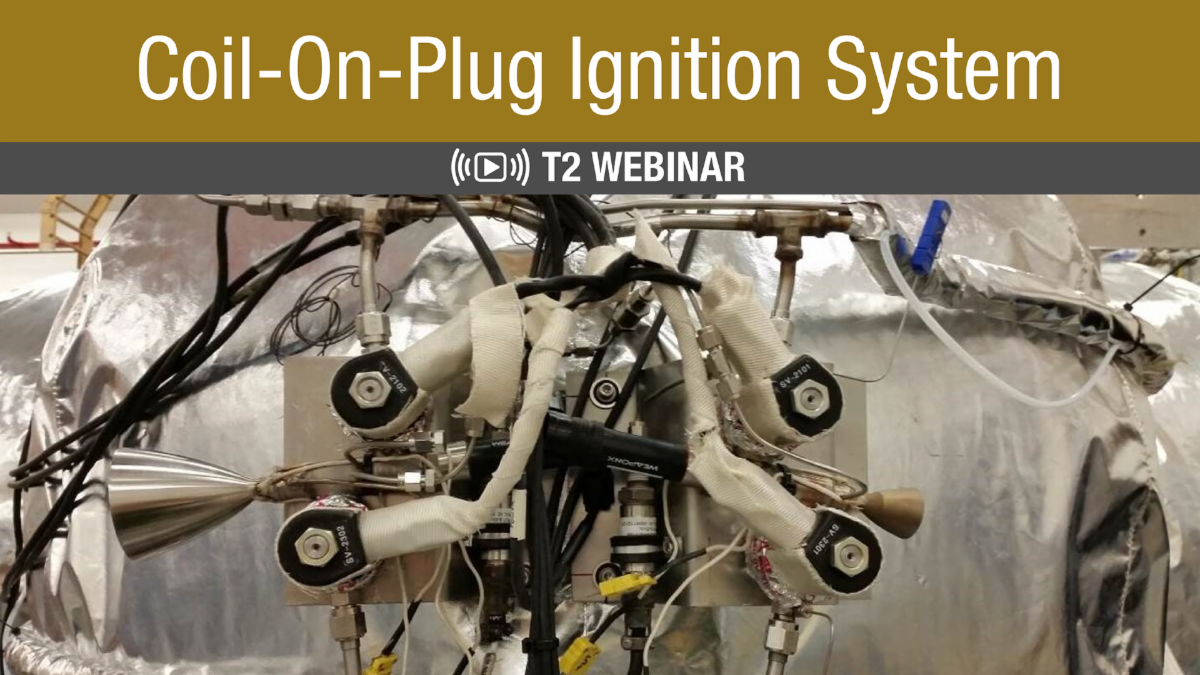
NASA's Coil-On-Plug Ignition System Webinar
A webinar on a cutting-edge ignition system developed by innovators at NASA Johnson Space Center. Engineered for reliable engine starts in thermal-vacuum environments, this compact igniter eliminates corona discharge issues and reduces overall mass, paving the way for more efficient space propulsion. A successful test campaign has shown that this technology can enable integrated liquid oxygen (LOX)/liquid methane (LCH4) propulsion systems in future spacecraft.