NASA’s Tough, Conductive Oxide Coatings Webinar
When: Tue, 9/29/2026 at 2:00 PM (Eastern Time)
Discover a new coating technology that uses Plasma Spray-Physical Vapor Deposition (PS-PVD) to produce a metastable oxide phase not achievable through conventional coating methods. This unique phase enables a combination of high mechanical toughness, erosion resistance, and electrical conductivity in an oxide coating, with properties that can be tailored for different applications.
Developed by innovators at NASA's Glenn Research Center, the technology offers flexibility in coating composition, microstructure, and thickness, while enabling deposition onto metals, ceramics, complex shapes, and other substrates. Potential applications include protective and conductive coatings for electronics and microelectronics, temperature-sensitive devices and sensors, semiconductor components, turbine engine applications, and thermal and environmental protection.
This early-stage technology offers opportunities for companies developing advanced coatings, sensors, electronics, aerospace components, and other products for demanding environments. NASA Glenn welcomes industry partners interested in further development and commercialization.
To learn more about licensing this technology, please visit this page.
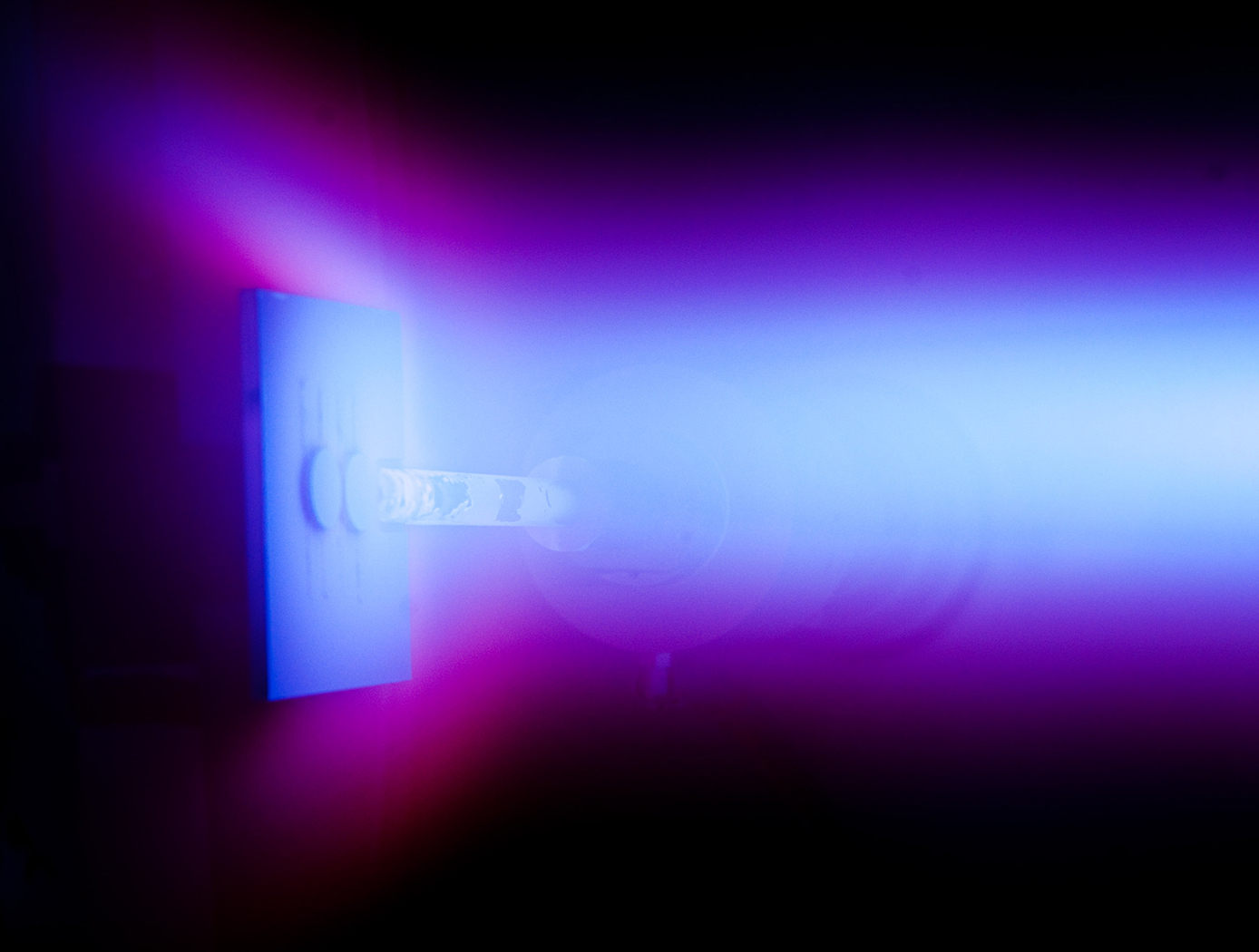
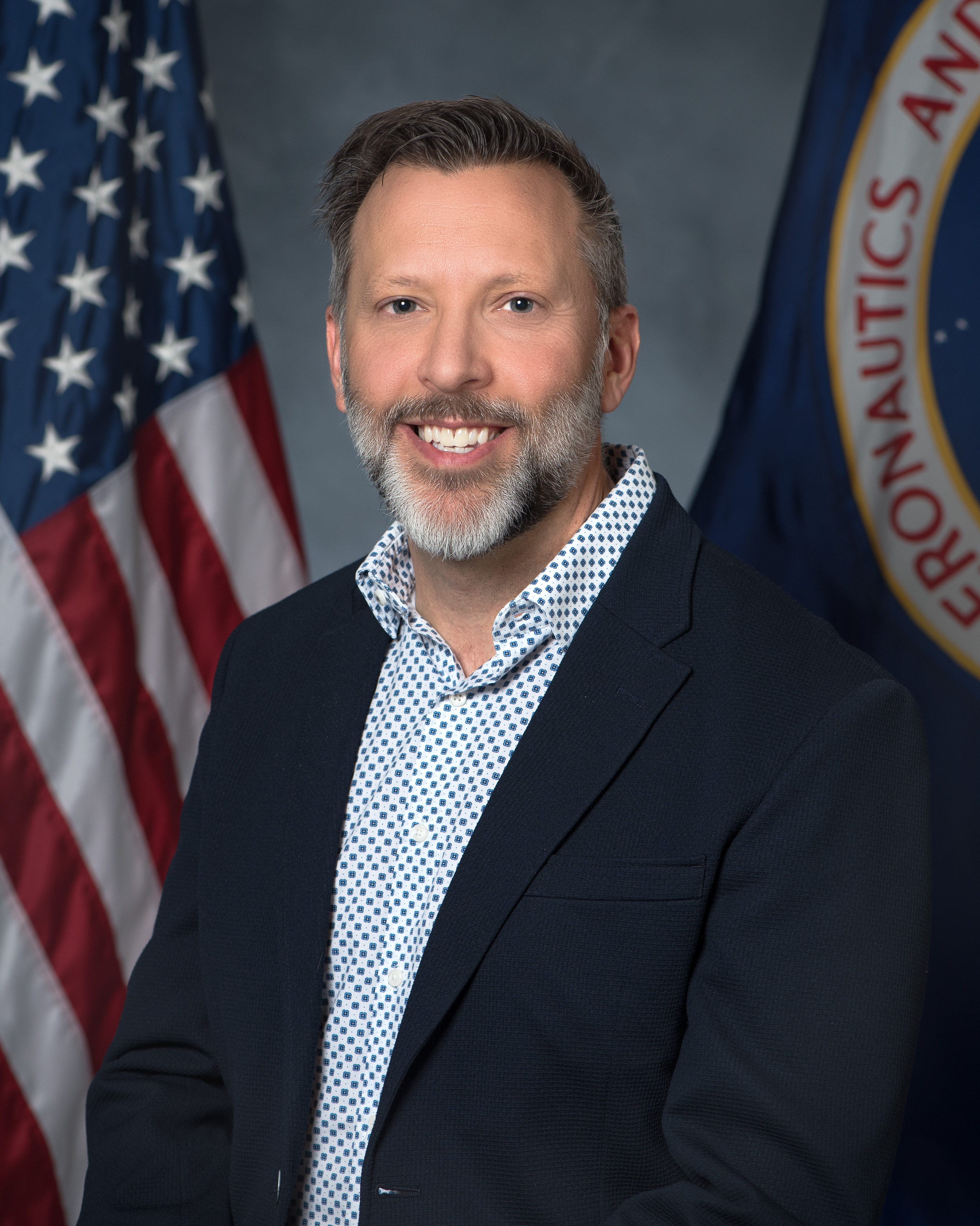
Dr. Bryan Harder is the current Branch Chief and former Technical Lead for the Environmental Effects and Coatings (LME) branch in the GRC Materials and Structures Division. Over the last 16 years, he has been a technical leader and internationally recognized expert in environmental and thermal barrier coatings, high‑temperature materials testing, and advanced plasma spray processing. He is the Principal Investigator for the Plasma Spray-Physical Vapor Deposition (PS-PVD) Rig, which is one of only a handful of such facilities worldwide and is used to develop advanced coating architectures as well as generate test conditions for high-speed applications.
Dr. Harder has extensive experience testing materials and coatings in extreme environments with both laboratory and large-scale combustion facilities, and he and his team were awarded the 2024 GRC Steven Szabo Engineering Excellence Award. Bryan holds both Bachelor’s (2004) and Ph.D. (2009) degrees in Materials Science and Engineering from Northwestern University.