
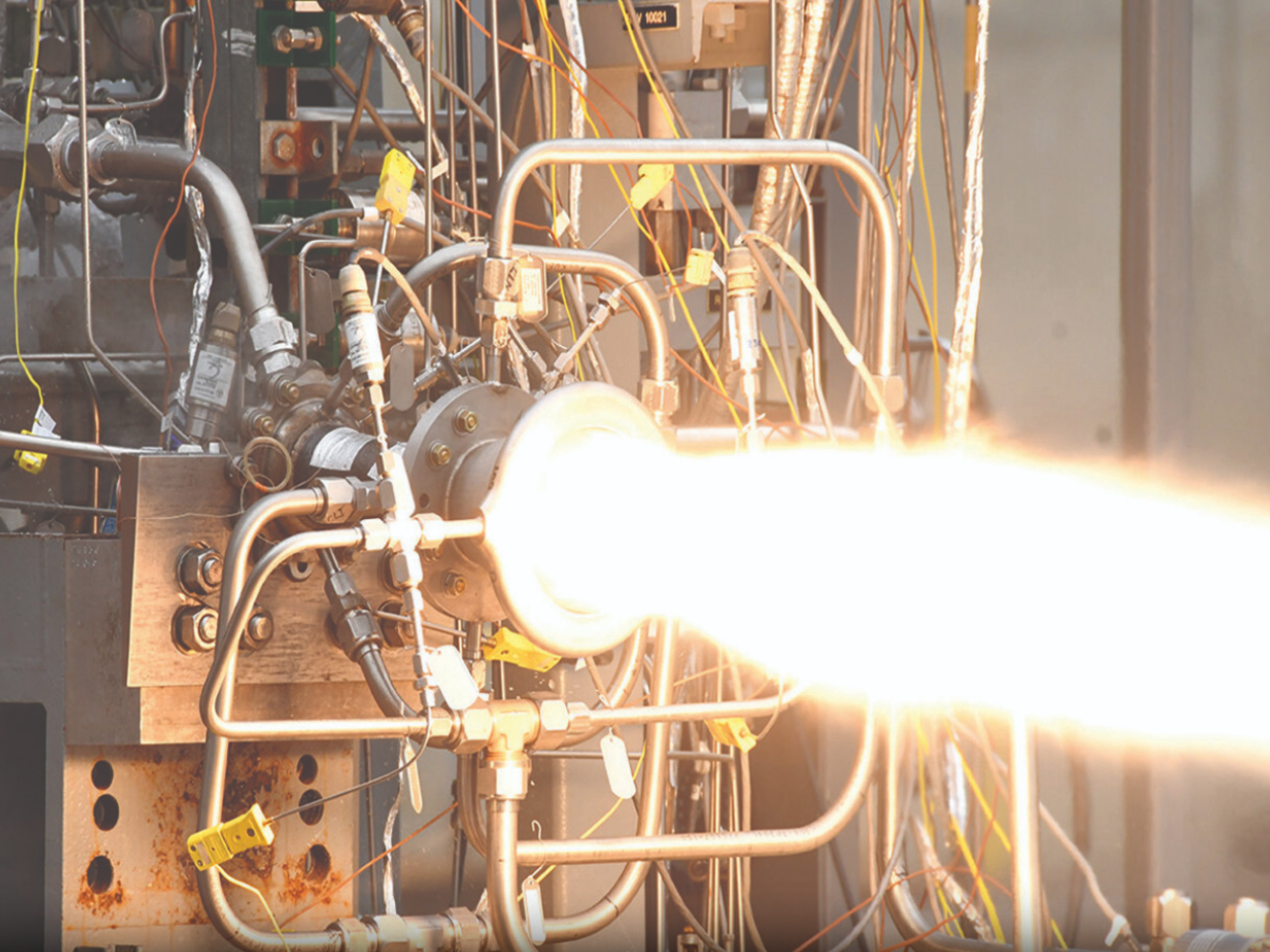
In traditional manufacturing, the above list of demands for fabricating a new metal part might get a response of, “Drop ‘faster,’ and then pick two.” All four? Impossible. However, additive manufacturing (AM), also known as 3D printing, can deliver all of the above with the right technology. NASA has been developing hardware, alloys, sensors, and other resources the AM industry and commercial companies can use.
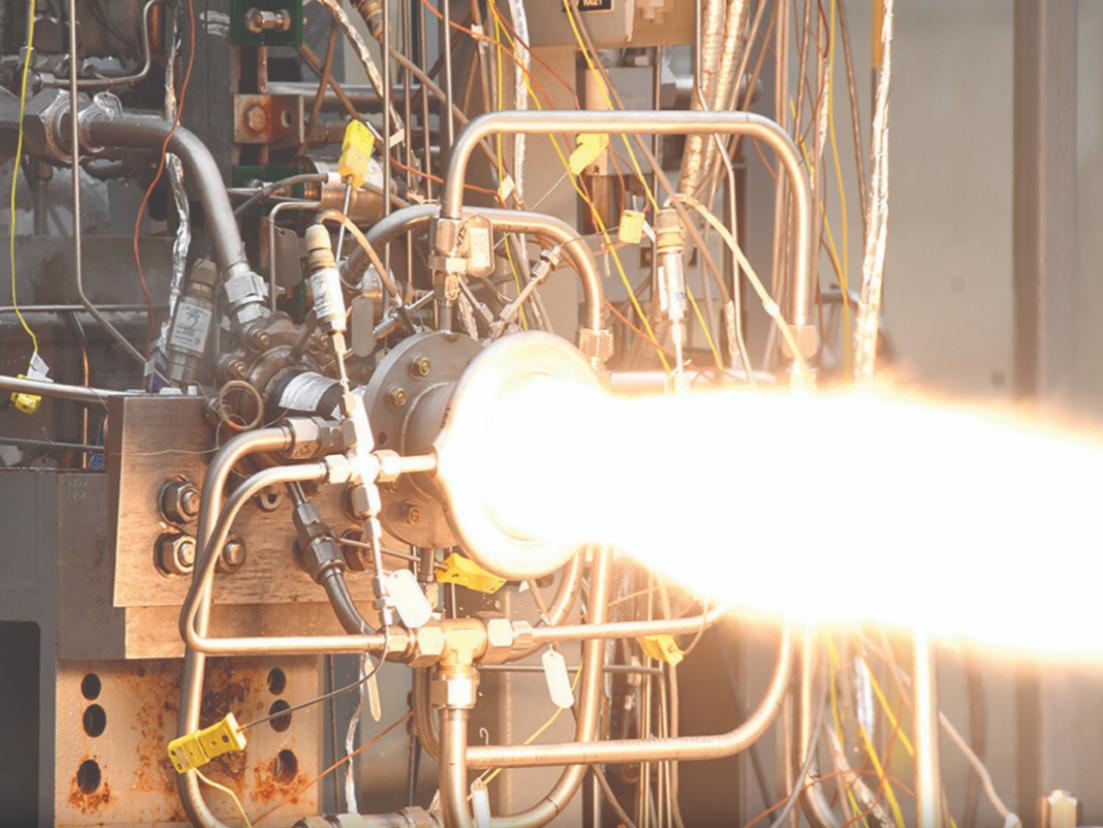
Many of the advances might have started out addressing needs for space travel, but the lessons learned are multifunctional and now winning awards. The agency’s Rapid Analysis and Manufacturing Propulsion Technology (RAMPT) project printed a rocket engine combustion chamber and a nozzle from different NASA-invented alloys.
“With RAMPT, we reduced the overall thrust chamber weight by about 40%. That’s huge because in the last 20 years, we’ve been chasing after marginal differences of 1 or 2%,” said Paul Gradl, principal engineer at NASA’s Marshall Space Flight Center. At the same time, he added, production time and costs were cut by at least two-thirds. The 3D printed liquid rocket thrust chamber was named NASA’s 2024 Invention of the Year.
A company that partnered with NASA on the RAMPT project was able to scale up its 3D printing not just for aerospace customers but for others, including in the mining and energy fields.
Some of these inventions, patented by NASA, are available to any individual or company interest in adopting new technologies.
New Metals
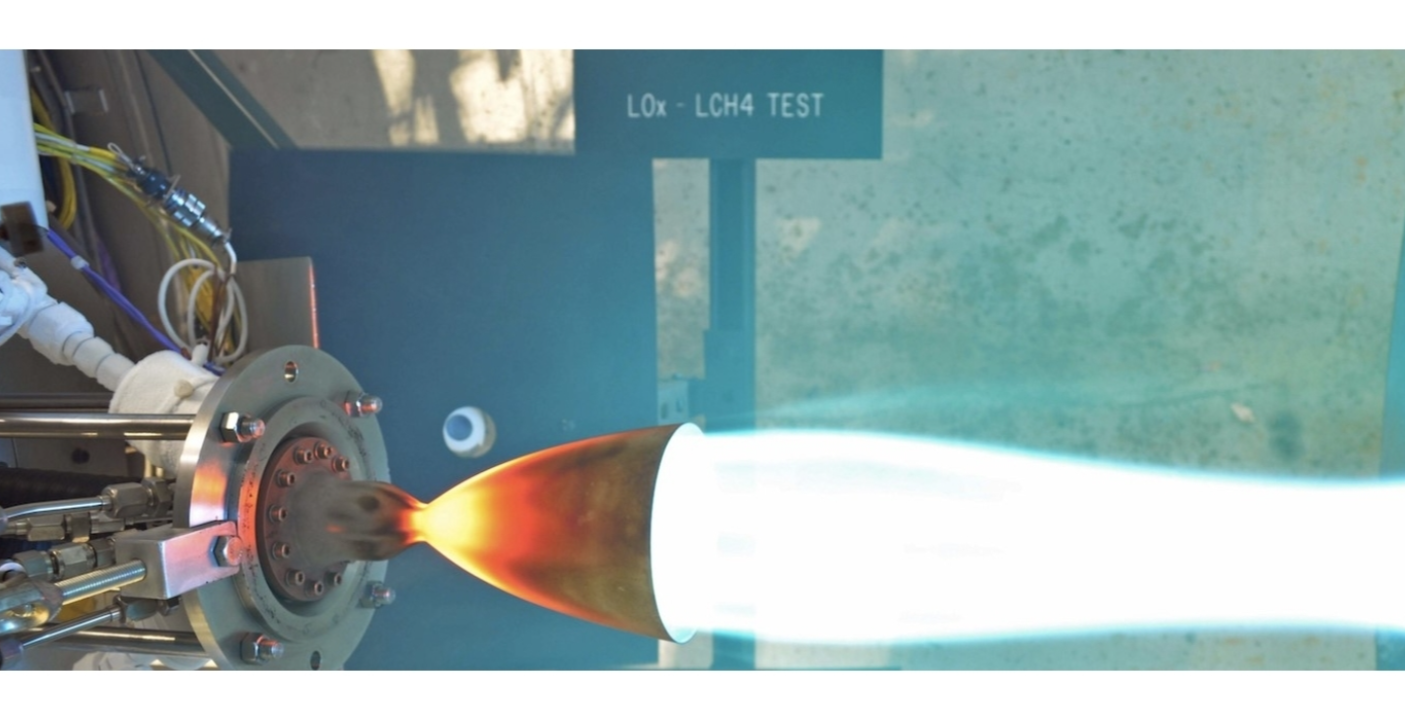
A new oxide dispersion-strengthened medium-entropy alloy (ODS-MEA) was developed for high-temperature applications to enhance mechanical properties such as creep resistance, tensile strength, and microstructure integrity. ODS alloys use distributed nano-scale ceramic particles throughout the metal and show promise for 3D printing components of gas turbines, rocket engines, nuclear reactors, and other high-temperature systems. The alloy can be fabricated into complex geometries, is resistant to stress cracking and dendritic segregation, and requires limited post-processing.
Composite Material
A NASA-invented additive manufacturing process resulted in the first successful 3D printing of high-temperature, composite carbon fiber-filled thermoset polyimide composites. In this process, selective laser sintering melt-processes a powdered version of NASA's novel Resin Transfer Molding imide resin filled with finely milled carbon fibers. The resulting composite part has a glass transition temperature of 370°C. Post-cured parts are prepared for high-temperature aerospace applications, but they can also be used in terrestrial applications in the automotive, electronics, and construction industries, among others.
Recyclable Feedstock
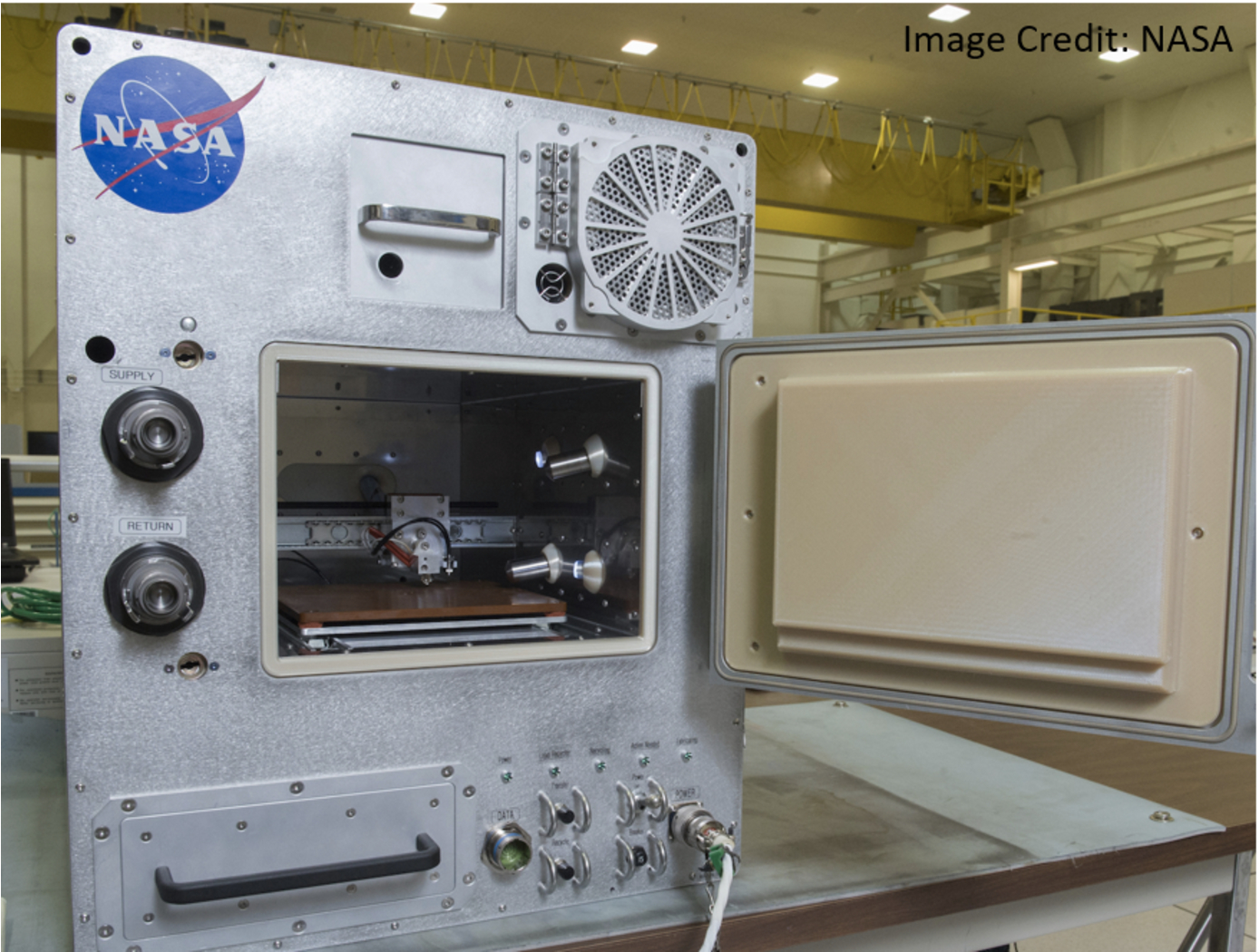
A common AM limitation is that printed parts can’t be recycled without substantial energy costs. With that budget-busting experience in mind, NASA developed new technique for generating recyclable feedstock materials can be "un-clicked," or returned to feedstock, at elevated temperatures and then used to create a new part. The composition is derived from urethane- and carbonate-containing species, so parts are much more chemically and mechanically robust compared to the state-of-the-art ABS and PLA materials used for most 3D printing applications. The resulting material has tunable thermal and mechanical properties.
Simplified Processes
Typical metal extrusion relies on heating large metal billets and then forcing the heated billet through a die to extrude the geometry and length of interestA new small-scale metal extrusion tool, called a conventional friction stir extrusion (C-FSE) machine can be attached or added on to a conventional friction stir welding system. Raw metal feedstock is fed into one side of the chamber, the rotating pin interacts with the metal to generate plastic deformation and heat, and the metal is driven out the other side through a customizable die. Because the C-FSE machine doesn’t require pre-heated billets, the extruded parts can be any length.
Shining a New Light
Medical device manufacturers need to ensure the structural integrity of metallic implants and surgical tools. Other 3D printed items require similar verification. Thermal nondestructive evaluation (NDE) detects defects such as cracks, corrosion, and dis-bond layers in metallic and composite structures. However, low-emissivity surfaces such as unpainted aluminum and titanium alloys can thwart traditional thermal NDE by reflecting heat, interfering with the accuracy of inspection data. A new system developed by NASA, using a visible-band, pulsed light-emitting diode (PLED) heat source and optical filters, enhances defect detection on low-emissivity surfaces and delivers higher accuracy, improved defect contrast, and better cost-efficiency than conventional flash thermography.

Shifting the Heat
High-performance cooling techniques for enhanced heat transfer for high-temperature applications are increasingly important, particularly in the field of aerospace engineering. Conventional heat pipes used for cooling have bends or welds in the material that can compromise structural integrity. The oscillating heat pipe (OHP) is a newer version that can cool more efficiently than traditional heat pipes and is easier to manufacture. NASA developed a novel additive manufacturing technique to fabricate OHPs that include enhancements such as alternating-diameter channels, allowing for changes in pressure. Ideal for supersonic flight or atmospheric reentry of spacecraft, this device is also beneficial for lithium-ion battery packs, radio-frequency device heat spreaders, energy recovery heat exchangers, and more.
NASA inventors don’t want their innovations, including these and many others, sitting on a shelf but rather used by industry.
“NASA has played a key role in establishing 3D printing as a viable option for aerospace manufacturing,” said Gradl. “We took significant risks and made strategic investments to mature the technology, enabling rapid design iterations and taking parts through hot-fire testing. While not every effort succeeded, those challenges provided valuable lessons, advancing the technology for the entire industry.”
To learn more about these and other AM resources available for licensing, visit the Technology Transfer program Patent Portfolio.
NASA’s Technology Transfer program ensures that innovations developed for exploration and discovery are available to the public, maximizing the benefit to the nation. They often become solutions to different challenges that have the potential to benefit life on Earth.