Search
PATENT PORTFOLIO
Computer Vision Lends Precision to Robotic Grappling
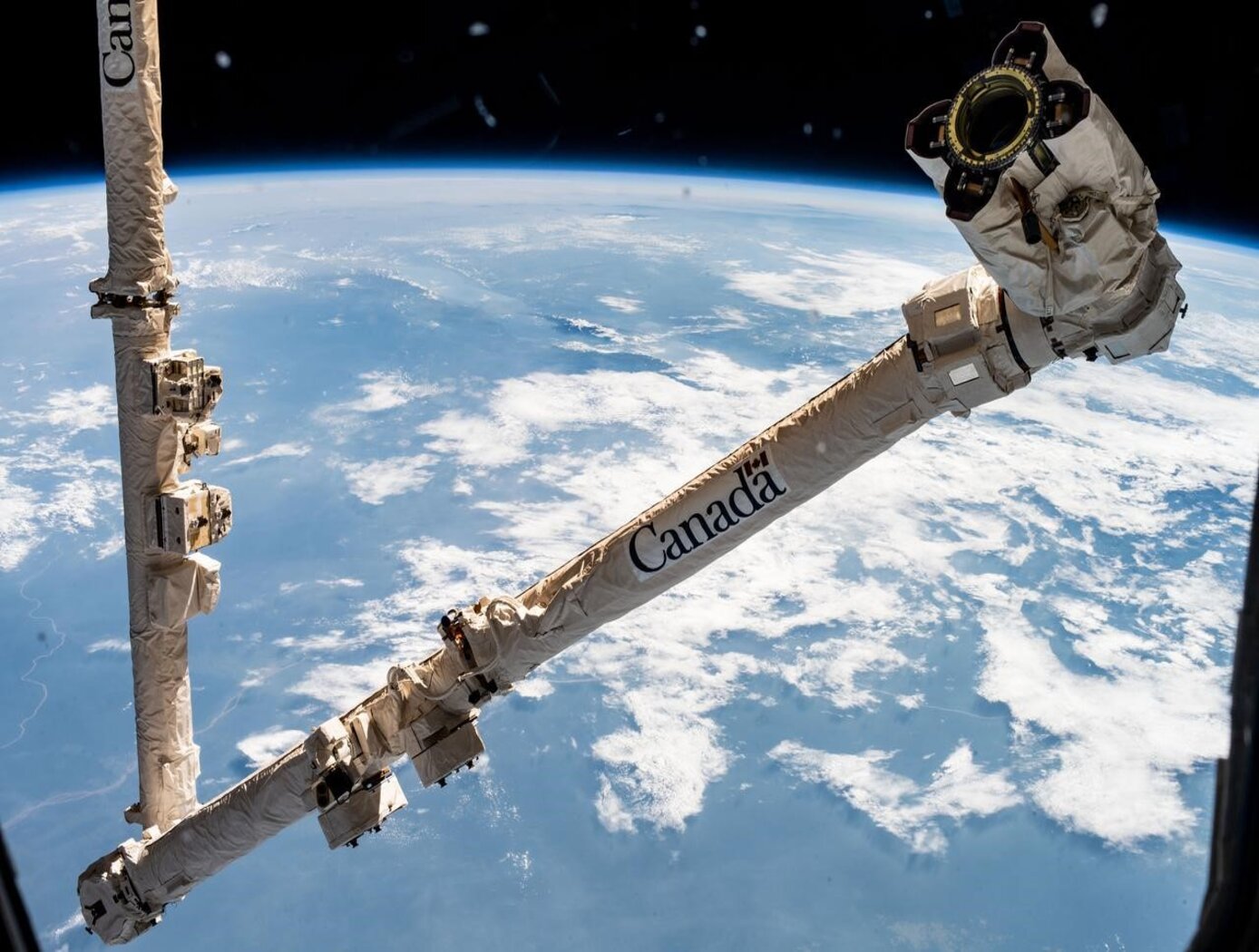
The goal of this computer vision software is to take the guesswork out of grapple operations aboard the ISS by providing a robotic arm operator with real-time pose estimation of the grapple fixtures relative to the robotic arm’s end effectors. To solve this Perspective-n-Point challenge, the software uses computer vision algorithms to determine alignment solutions between the position of the camera eyepoint with the position of the end effector – as the borescope camera sensors are typically located several centimeters from their respective end effector grasping mechanisms.
The software includes a machine learning component that uses a trained Region-based Convolutional Neural Network (R-CNN) to provide the capability to analyze a live camera feed to determine ISS fixture targets a robotic arm operator can interact with on orbit. This feature is intended to increase the grappling operational range of ISS’s main robotic arm from a previous maximum of 0.5 meters for certain target types, to greater than 1.5 meters, while significantly reducing computation times for grasping operations.
Industrial automation and robotics applications that rely on computer vision solutions may find value in this software’s capabilities. A wide range of emerging terrestrial robotic applications, outside of controlled environments, may also find value in the dynamic object recognition and state determination capabilities of this technology as successfully demonstrated by NASA on-orbit.
This computer vision software is at a technology readiness level (TRL) 6, (system/sub-system model or prototype demonstration in an operational environment.), and the software is now available to license. Please note that NASA does not manufacture products itself for commercial sale.
Spacecraft to Remove Orbital Debris
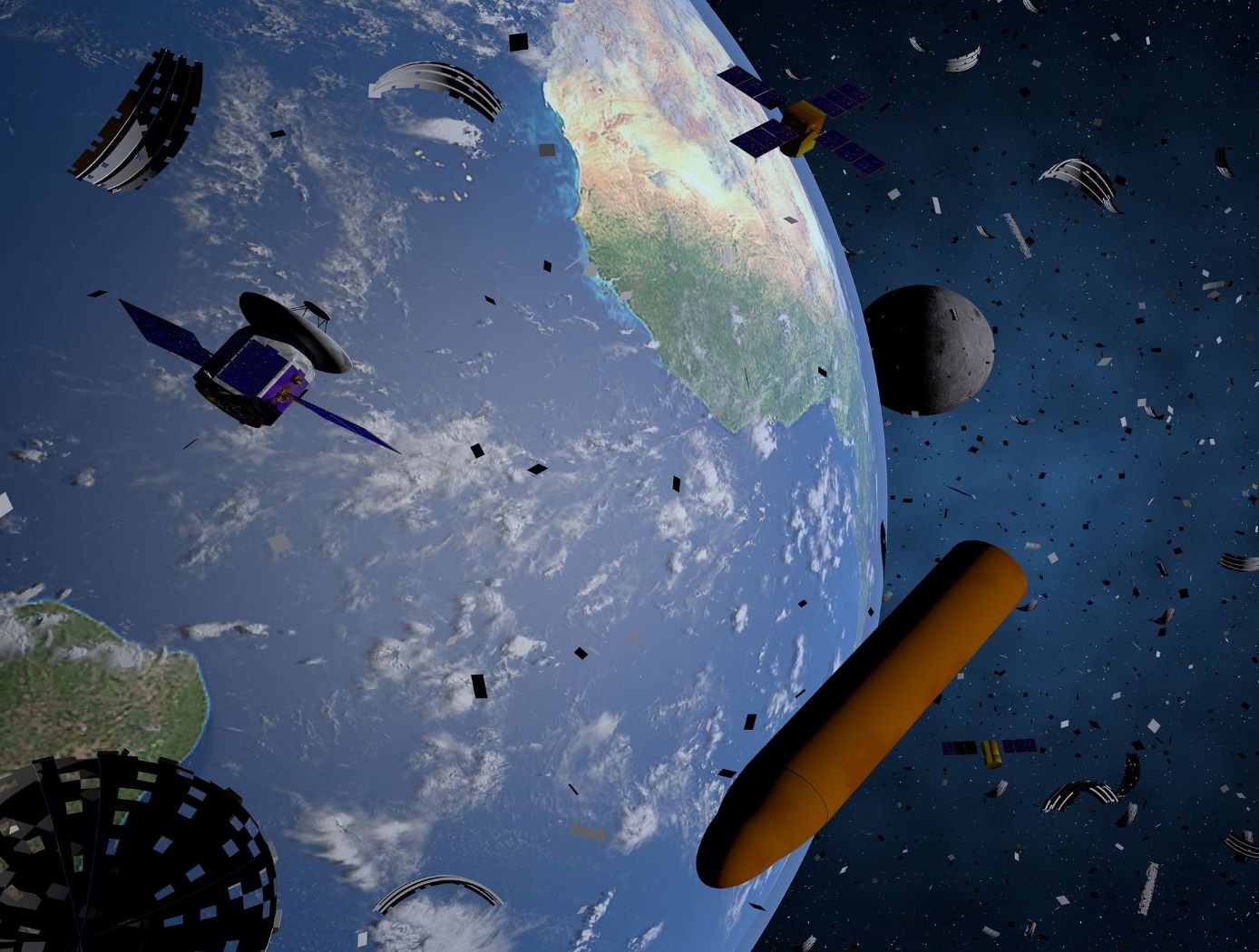
An approach to mitigating the creation of additional orbital debris is to remove the sources of future medium debris by actively removing large spent objects from congested orbits. NASA has introduced the ADRV, an efficient and effective solution to remove large debris from LEO such as spent rocket bodies and non-functional satellites. The concept yields a single use, low-cost, lightweight, high mass fraction vehicle that enables the specific removal of large orbital debris (1000 - 4000 kg mass, 200 - 2000 km altitude, and 20 – 98-degree inclination). The ADRV performs rendezvous, approach, and capture of non-cooperative tumbling debris objects, maneuvering of the mated vehicle, and controlled, targeted reposition or deorbit of the mated vehicle. Due to its small form factor, up to eight ADRVs can be launched in a single payload, enabling high impact orbital debris removal missions within the same inclination group.
Three key technologies were developed to enable the ADRV: - 1) The spacecraft control system (SCS) is a guidance, navigation, and control system that provides vehicle control during all phases of a mission; - (2) The debris object characterization system (DOCS) characterizes movement and capture of non-cooperative targets; and - (3) The capture and release system (CARS) allows the vehicle to capture and mate with orbital debris targets. These technologies can improve the current state-of-the-art capabilities of automated rendezvous and docking technology significantly for debris objects with tumbling rates up to 25 degrees per second. This approach leverages decades of spaceflight experience while automating key mission areas to reduce cost and improve the likelihood of success.

Battery Management System
The technology is comprised of a simple and reliable circuit that detects a single bad cell within a battery pack of hundreds of cells and it can monitor and balance the charge of individual cells in series. NASA's BMS is cost effective and can enhance safety and extend the life of critical battery systems, including high-voltage Li-ion batteries that are used in electric vehicles and other next-generation renewable energy applications.
The BMS uses saturating transformers in a matrix arrangement to monitor cell voltage and balance the charge of individual battery cells that are in series within a battery string. The system includes a monitoring array and a voltage sensing and balancing system that integrates simply and efficiently with the battery cell array, limiting the number of pins and the complexity of circuitry in the battery. The arrangement has inherent galvanic isolation, low cell leakage currents, and allows a single bad or imbalanced cell in a series of several hundred to be identified. Cell balancing in multi-cell battery strings compensates for weaker cells by equalizing the charge on all the cells in the chain, thus extending battery life. Voltage sensing helps avoid damage from over-voltage that can occur during charging and from under-voltage that can occur through excessive discharging.

Robo-Glove
Originally developed by NASA and GM, the Robo-Glove technology was a spinoff of the Robonaut 2 (R2), the first humanoid robot in space. This wearable device allows the user to tightly grip tools and other items for longer periods of time without experiencing muscle discomfort or strain. An astronaut working in a pressurized suit outside the space station or an assembly operator in a factory might need to use 15 to 20 lbs of force to hold a tool during an operation. Use of the Robo-Glove, however, would potentially reduce the applied force to only 5 to 10 lbs.
The Robo-Glove is a self-contained unit, essentially a robot on your hand, with actuators embedded into the glove that provide grasping support to human fingers. The pressure sensors, similar to the sensors that give R2 its sense of touch, are incorporated into the fingertips of the glove to detect when the user is grasping an object. When the user grasps the object, the synthetic tendons automatically retract, pulling the fingers into a gripping position and holding them there until the sensor is released by releasing the object. The current prototype weighs around two pounds, including control electronics and a small display for programming and diagnostics. A lithium-ion battery, such as one for power tools, is used to power the system and is worn separately on the belt.
Space Suit RoboGlove (SSRG)
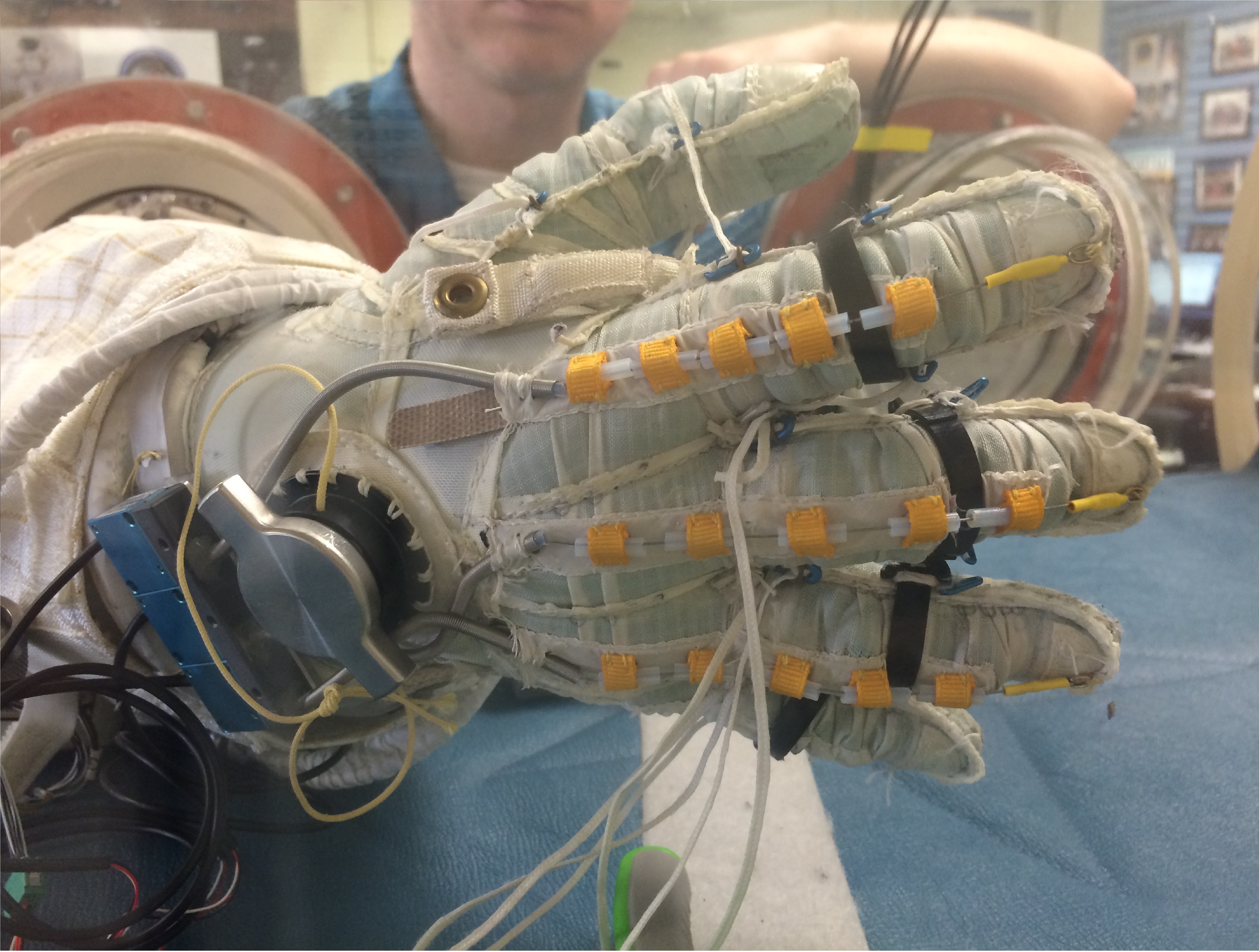
NASA is currently developing the next generation space suit for future missions, including the optimization of space suit gloves. When non-assisted space suit gloves are coupled to a pressurized suit and operated in a vacuum, they tend to limit the range of motion of an astronaut's hand to as little as 20% of normal range. Many of NASA's future missions will be in challenging environments where an astronaut’s hand dexterity will be critical for the success of NASA missions. Innovators at JSC have improved the performance on the second-generation, robotically assisted SSRG, to reduce exertion and improve the hand strength and dexterity of an astronaut in situ.
The SSRG’s system detects user finger movements using string potentiometers and contact with objects using force-sensitive resistors (FSRs). FSRs are imbedded in the distal and medial phalanges, palmar side of the glove. To move a finger, an actuator pulls a tendon through a Bowden Cable system which transfers mechanical pulling force of an inner cable relative to a hollow outer cable, like the brakes on a bicycle, as seen in the Figure below. An improved controller commands the new, more powerful linear actuator to drive tendon operation while minding custom controller parameters inputted through a digital editor tool.
The Space Suit RoboGlove is at TRL 6 (system/subsystem model or prototype demonstrated in a relevant environment) and it is now available for licensing. Please note that NASA does not manufacture products itself for commercial sale.
Robonaut 2: Hazardous Environments
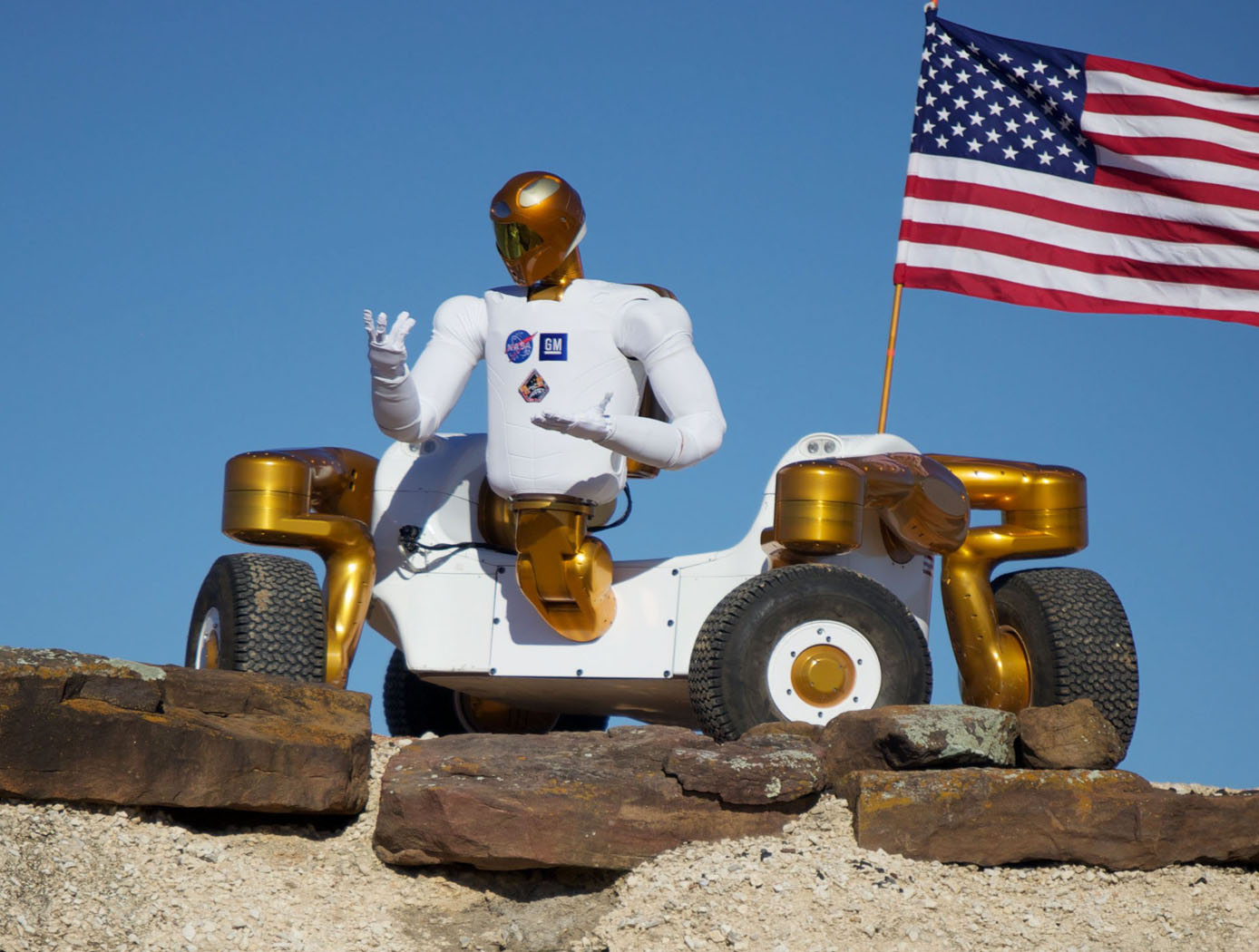
Robonaut 2 (R2) has the capability of functioning autonomously or it can be controlled by direct teleoperations, which is advantageous for hazardous environments. When functioning autonomously, R2 understands what to do and how to do it based on sensory input. R2's torso holds the control system while the visor holds several cameras that are incorporated into the visual perception system. With these capabilities, R2 can reduce or eliminate the need for humans to be exposed to dangerous environments. R2 also has a very rugged four-wheel base called the Centaur 2. The Centaur 2 base can lower or raise itself to and from the ground and turn its wheels in any direction, allowing it to turn in place and drive forward or sideways. This enables the R2 to enter hazardous areas or tackle difficult terrain without endangering its human operator.
Robonaut 2 as a whole, or some of its components, can be an invaluable tool for land mine detection, bomb disposal, search and rescue, waste recycling, medical quarantined area, and so much more. The suite of technologies provides an ability to manipulate tools to help with a task, or it can tackle many tasks in a row, where a standard robot may not have the dexterity or sensing capability to get the job done. R2 could pick through nuclear waste, measure toxicity levels, and survey areas too remote or dangerous for human inspection. R2 could deal with improvised explosive devices, detect and dispose of bombs or landmines, and operate equipment that can break through walls or doors.
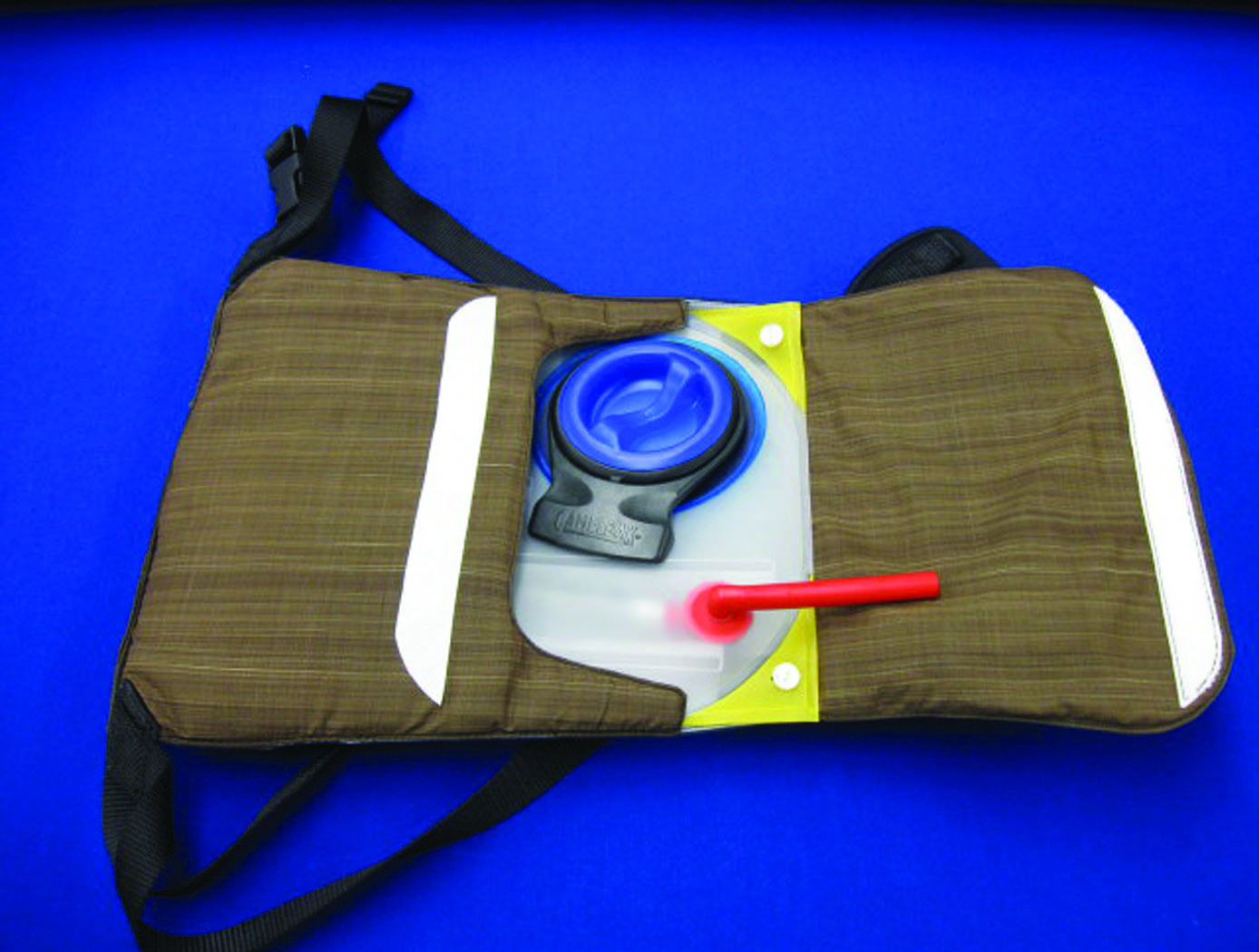
Freeze-Resistant Hydration System
Even when a water conformal fluid reservoir and drink straw are zipped into a down suit, water freezes under extreme conditions. This poses a health hazard, particularly to high-altitude climbers who mouth-breathe, as mouth-breathing causes substantial fluid loss (in exhaled breaths). Climbers of 8,000-meter peaks get only 1 liter or less of fluid on summit days because their drink bottles freeze so quickly.
The High Altitude Hydration System keeps water from freezing in three different ways. First, the system has passive thermal control that uses aerogel insulation on the outside of the conformal fluid reservoir and around the drinking straw to protect the contents from the cold. The container is placed within an inner layer of clothing, and the insulated straw is pulled out from underneath the suit for sips. Second, the system has a braided copper wire placed around the exterior of the drinking straw and another heat-collecting surface about the container wall to transfer body-generated heat to the fluid reservoir and straw during use. Third, the system uses a microcontroller and tape heater powered by a battery to keep the straw warm and free of ice crystals.
Robonaut 2: Medical Opportunities
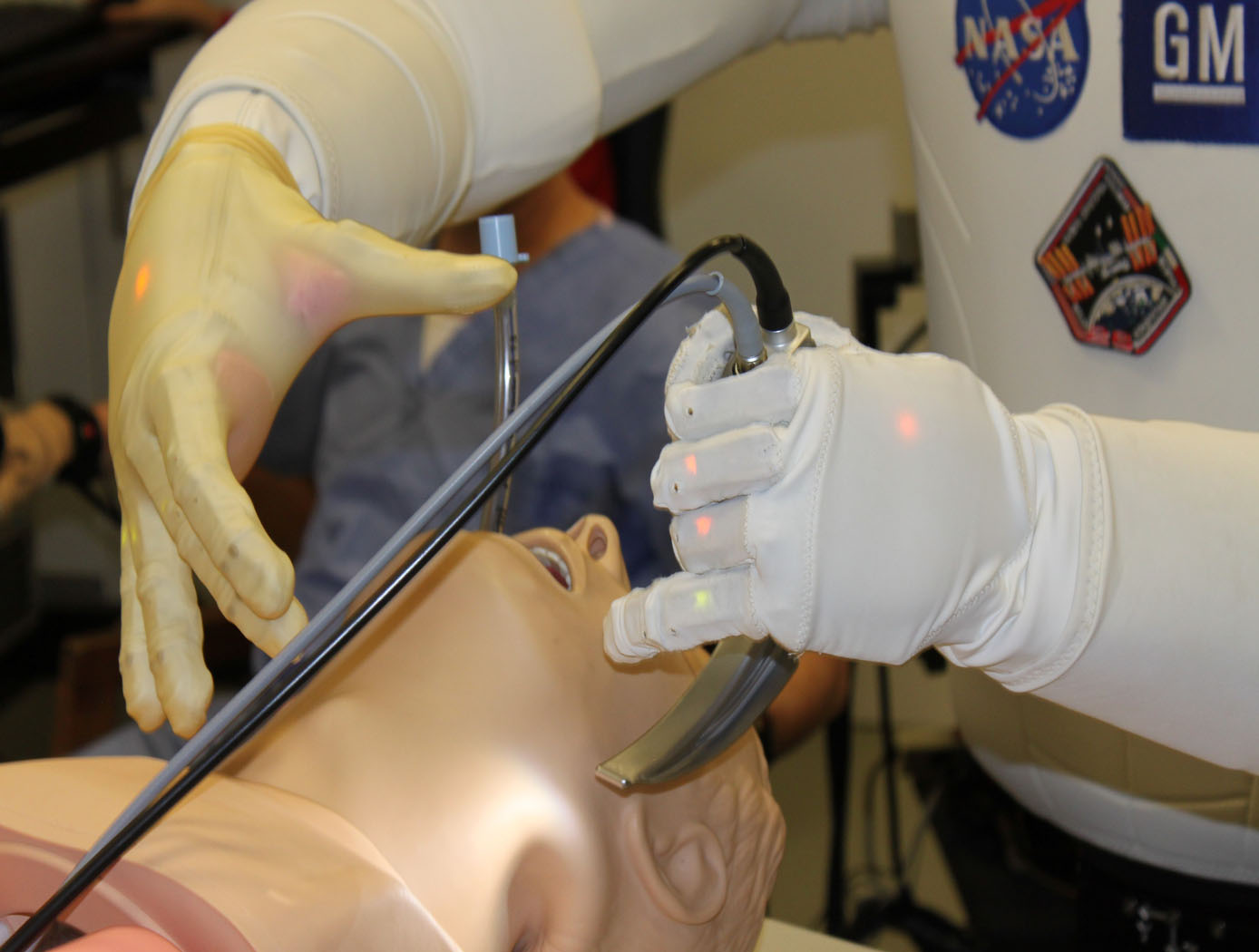
R2's unique systems allow the robot to be used in many telemedicine applications and in many medical scenarios. For example, R2 can assist a surgeon and the surgical team before, during, and after a procedure with multiple tasks. The robot has the vision, dexterity, and the ability to perform tasks tirelessly 24 hours a day, seven days a week. R2 can work safely around humans, so it can be integrated into a dynamic hospital environment.
The R2 technology capabilities in telemedicine are being explored through partnerships with medical institutions. After a quick medical procedure training, a R2 teleoperator was able to guide the robot and perform an ultrasound scan on a medical mannequin. Humans at the controls were able to guide the robot to perform the task correctly and efficiently by using R2's dexterity to apply the appropriate level of force and were able to track their progress using the robot's vision system. The technology was also used to experiment using a syringe and an intubation procedure with a mannequin to demonstrate R2's telemedicine capabilities. R2 is well suited to be used by physicians to conduct medical procedures on humans in remote locations.

Low Cost RFID Torque and Tension Sensing Tag System
The NASA developed low cost RFID torque and tension sensing tag system replaces traditional designs by using standard bolts in conjunction with an RFID ring integrated circuit (IC), antenna layers (top and bottom), a flat washer and a spring washer. The antenna, RFID ring and spring comprise a sensor tag that can be remotely interrogated. When sufficient torque is applied to the bolt, the RFID circuit is enabled allowing it to communicate with remote RFID interrogators (typically three to thirty feet away depending on the tag antenna design). A new level of automation and sensor telemetry is now possible due to this technology's ability to read longer ranges than the present systems. This simple system design is an extremely low cost solution when compared to existing technologies. The cost saving has the potential to revolutionize the asset management industry allowing for more products to be monitored for torque and tension.
This is a passive device meaning that even when the RFID ring circuit is complete; it will only provide an RF response when activated by an external reader. The RFID IC (chip) is a standard EPC Global Class 1, Gen 2 design that is commercially available, and is routinely employed in tracking and supply chain logistics applications. For torque applications (not necessarily for tension monitoring applications), the design must be tailored to the operational concept and possibly environment in which the fastener will be used. For example, the distance from which the signal must be read impacts the tag antenna design and the environment impacts characteristics of the spring washer. The system can also be used to monitor tension on a fastener over time.
This NASA Technology is available for your company to license and develop into a commercial product. NASA does not manufacture products for commercial sale.
View more patents