Search
Materials and Coatings
Oxide Dispersion Strengthened Medium Entropy Alloy
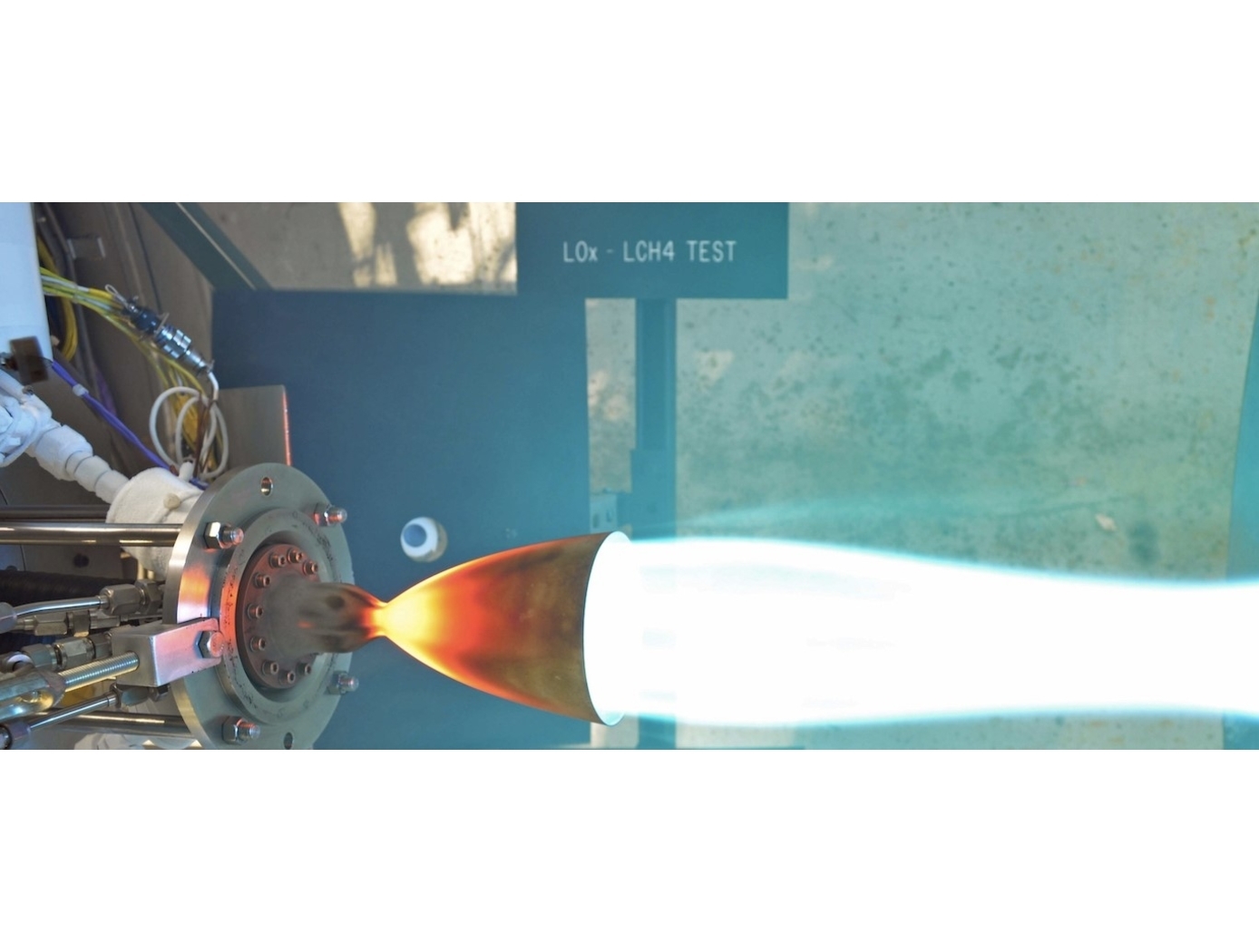
NASA's ODS-MEA maintains properties up to 1100°C and is not susceptible to deleterious phase changes when exposed to extreme temperatures, an issue ubiquitous to Ni- based superalloys such as Inconel-625 and Inconel-718. Yttria particles are dispersed throughout the alloy to maximize strength and creep resistance at high temperatures using a novel fabrication technique. This technique employs an acoustic mixer to stir nano-scale Yttria oxide powder within a metallic matrix powder, creating a film of Yttria surrounding the larger metallic powder particles. Solid components are then produced from this mixture via SLM, during which the laser disperses the Yttria particles throughout the microstructure. Ultimately, the process eliminates the many expensive and time-consuming steps in the production of ODS alloys via traditional mechanical alloying. NASA's process has been shown to fabricate components with 10x improvement in creep rupture life at 1100°C and provides a 30% increase in strength over what is currently possible with 3D printed parts. The new ODS-MEA composition may find applications where ODS alloys are currently used (e.g., those involving extreme thermal environments). Applications may also include areas where such properties are desirable but the resource-intensive nature and/or inability to produce highly complex geometries via conventional processes ultimately renders their use uneconomical or infeasible. Such uses include gas turbine components (for which increasing inlet temperature enables improved efficiency) for power generation, propulsion (rockets, jet engines, etc.), industrial processes, nuclear energy applications, and sample preparation equipment in the mining and cement production industries, among many others.
materials and coatings
Self-Healing Aluminum Metal Matrix Composite (MMC)
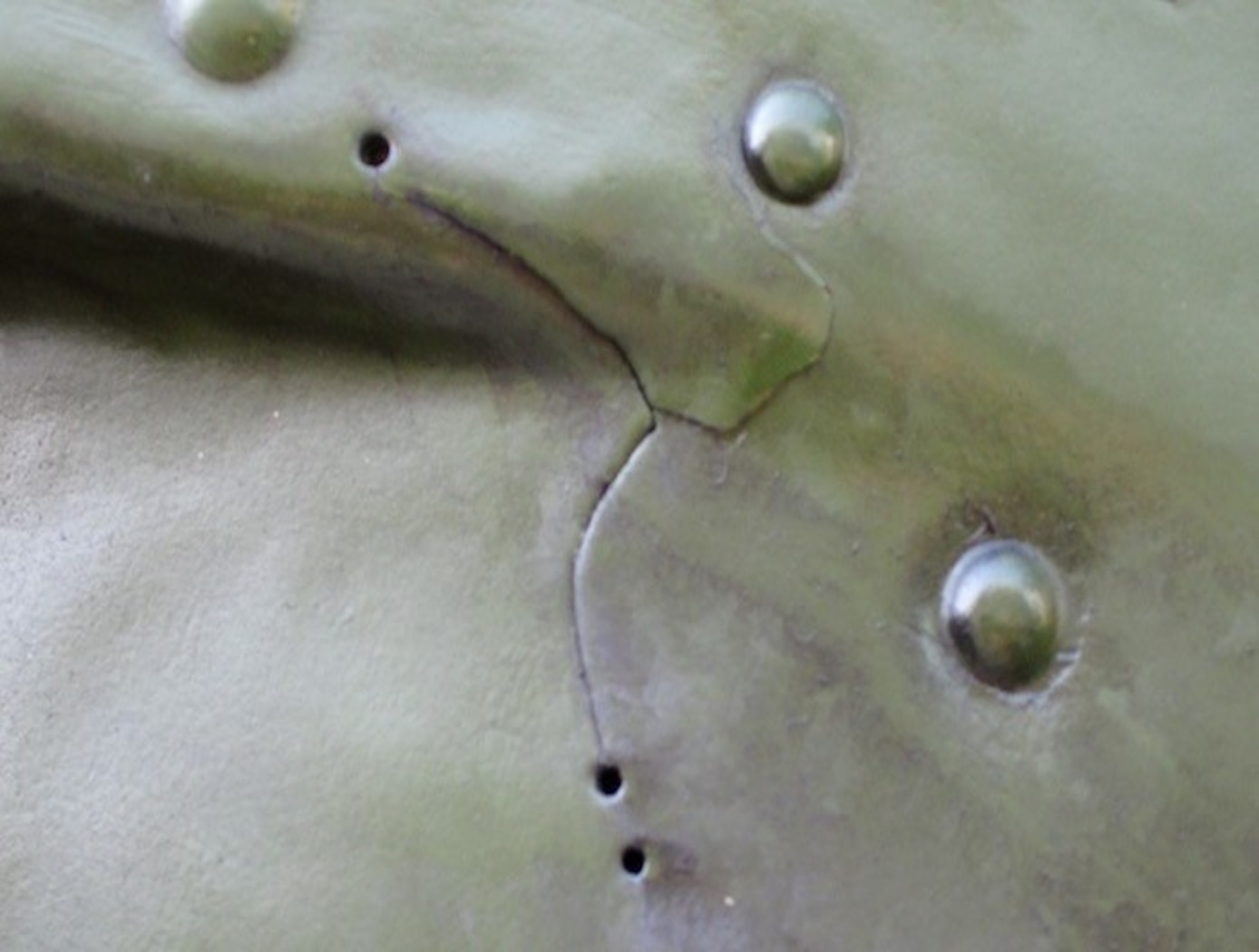
This materials system is comprised of an Al metal matrix with high-performance SMA reinforcements. The combination of the unique matrix composition and SMA elements allow for this material system to self-repair via a two-step crack repair method. When a crack is present in the matrix material, the MMC is heated above the SMA's austenite start (As) temperature. This initiates shape recovery of the SMA, pulling the crack together as the SMA reinforcements return to their initial length. Concurrently, the increased temperature causes softening and liquefaction of the eutectic micro-constituent in the matrix, which enables the recovery of plastic strain in the matrix as well as crack filling. Combined with the crack closure force provided by the SMA reinforcements completely reverting to their original length, the MMC welds itself together and, upon cooling, results in a solidified composite able to realize its pre-cracked, original strength. The research team has demonstrated and tested the new materials. The team induced cracks in prototype materials based on Al-Si matrix with SMA (NiTi) reinforcements and demonstrated the recovery of tensile strength after healing. Data from tensile and fatigue tests of the samples before and after the fatigue crack healing shows a 91.6% healing efficiency on average under tensile conditions.
Materials and Coatings

GRC103y: Nano-Yttria Strengthened C103 for Additive Manufacturing
The manufacturing process, building on techniques showcased in LEW-TOPS-151, employs a novel acoustic mixing technique to coat spherical C103 powder particles with a uniform distribution of sub-200 nanometer yttria particles. During laser powder bed fusion additive manufacturing, layer-by-layer remelting disperses these yttria particles uniformly throughout the component microstructure. This eliminates the expensive, time-consuming mechanical alloying steps traditionally required for ODS alloys while enabling near-net-shape fabrication of complex geometries.
Performance testing demonstrates substantial improvements: GRC103y exhibits double the yield strength at 800°C and 1.5x the yield strength at 1,400°C compared to baseline C103. The alloy also shows superior thermal stability: after one hour at 1,500°C, GRC103y retains 90% of its room temperature strength compared to only 67% for C103. Preliminary creep testing at 1,300°C and a stress of 50 MPa indicates significant improvements in creep resistance by 2539 times over baseline C103. Furthermore, GRC103y maintains excellent formability, allowing manufacturers to use traditional fabrication methods when desired.
While NASA originally developed GRC103y for rocket propulsion and hypersonic vehicle applications, the alloy offers value across multiple industries. Aerospace companies can achieve weight savings or push systems to higher temperatures, while the alloy's compatibility with commercial oxidation coatings makes it suitable for environments requiring oxidation protection. GRC103y is currently available for patent licensing.
Materials and Coatings

Precipitation Strengthened
Ni-Ti-Pd Shape Memory Alloys
Shape memory alloys (SMAs) are metals that can return to their original shape following thermal input and are largely used as actuators for various applications across industries including space, aeronautics, automotive, and biomedical. These alloys can require long processing times to stabilize through repeated training cycles and suffer from loss of strength and stability during use. Precipitation strengthening (using heat treatments to grow small nanoscale regions of distinct metal phases within the base alloy) is one way to mitigate these issues.
The NASA inventors have combined a modification of typical NiTi compositions by introducing Palladium (Pd) and small amounts of other metals and specific heat treatments to produce a novel SMA with improved properties. Specifically, the alloy is inherently stable, reducing both the need for extended processing times to stabilize the metal and the possibility of failure during high numbers of actuation cycles. Further, the SMA is specifically designed to have significantly lower hysteresis (the temperature difference between the heating and cooling) than current state of the art SMAs, i.e., at or below 10°C compared to 20°C or above. These properties combine for a SMA with enhanced properties usable across various industries and applications for reliable actuation.
The related patent is now available to license. Please note that NASA does not manufacturer products itself for commercial sale.
Materials and Coatings

Innovative Shape Memory Metal Matrix Composites
Shape memory alloys (SMAs) are metals that can return to their original shape following thermal input. They are commonly used as functional materials in sensors, actuators, clamping fixtures and release mechanisms across industries. SMAs can suffer from dimensional/thermal instability, creep, and/or low hardness, resulting in alloys with little to no work output in the long term. To combat these deficiencies, NASA has developed a process of incorporating nanoparticles of refractory materials (i.e., carbide, oxide, and nitride materials with high temperature resistance) into the alloys.
Using various processing methods, the nanoparticles can be effectively mixed and dispersed into the metal alloys as shown in the figure below. In these processes the SMA and refractory material powder is mixed and the refractory nanoparticles incorporated through extrusions, melting, or directly used in additive manufacturing to create parts for applications across the aerospace, automotive, marine, or biomedical sectors. The nanoparticle dispersion is a controllable method to strengthen the SMAs, increasing the hardness of the alloys, reducing the impact of creep, and improving the overall dimensional and thermal stability of the alloys.
The related patent is now available to license. Please note that NASA does not manufacture products itself for commercial sale.
mechanical and fluid systems
Shape Memory Alloy (SMA)-Enabled Actuators
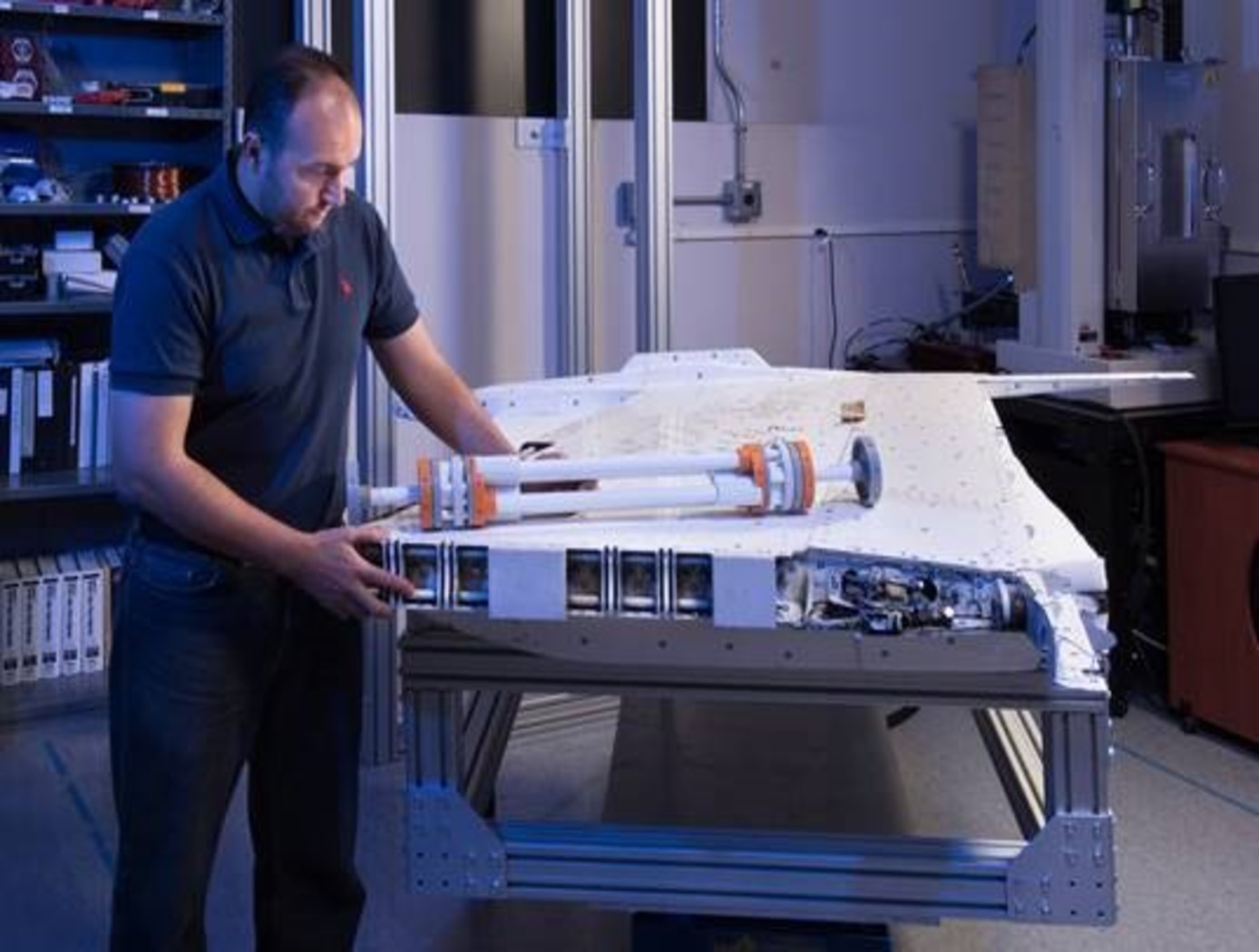
Actuators typically have large footprints and mass to meet the power output needed for operation, leading to design hurdles for aircraft and space applications. Innovators at NASA Glenn developed two novel actuators with different configurations of tubes of SMA to provide rotary output. The SMA tubes are deformed in their martensitic condition and when exposed to a thermal stimulus, the tubes will revert to their original state while providing rotary motion.
One variation of the innovation nests the SMA tubes within a rotary actuator imparting several technical benefits. Nested SMA tubes can decrease the length of the actuator while achieving the same twist angle. For the same actuator length, a nested configuration of SMA tubes can multiply the twist angle and improve the power output. A second variation utilizes SMA components as transmission elements in a ring drive gear to enable continuous rotation in one direction. Previous similar SMA actuators rotate in one direction while heating and the other while cooling, which can limit the output of the rotary actuator. The innovation developed by NASA allows for continuous rotation in ANY direction, thereby allowing the rotational output capability to be independent from the amount of cyclic angular twist provided by the SMA tubes.
Materials and Coatings
Soft Magnetic Nanocomposite for High-Temperature Applications
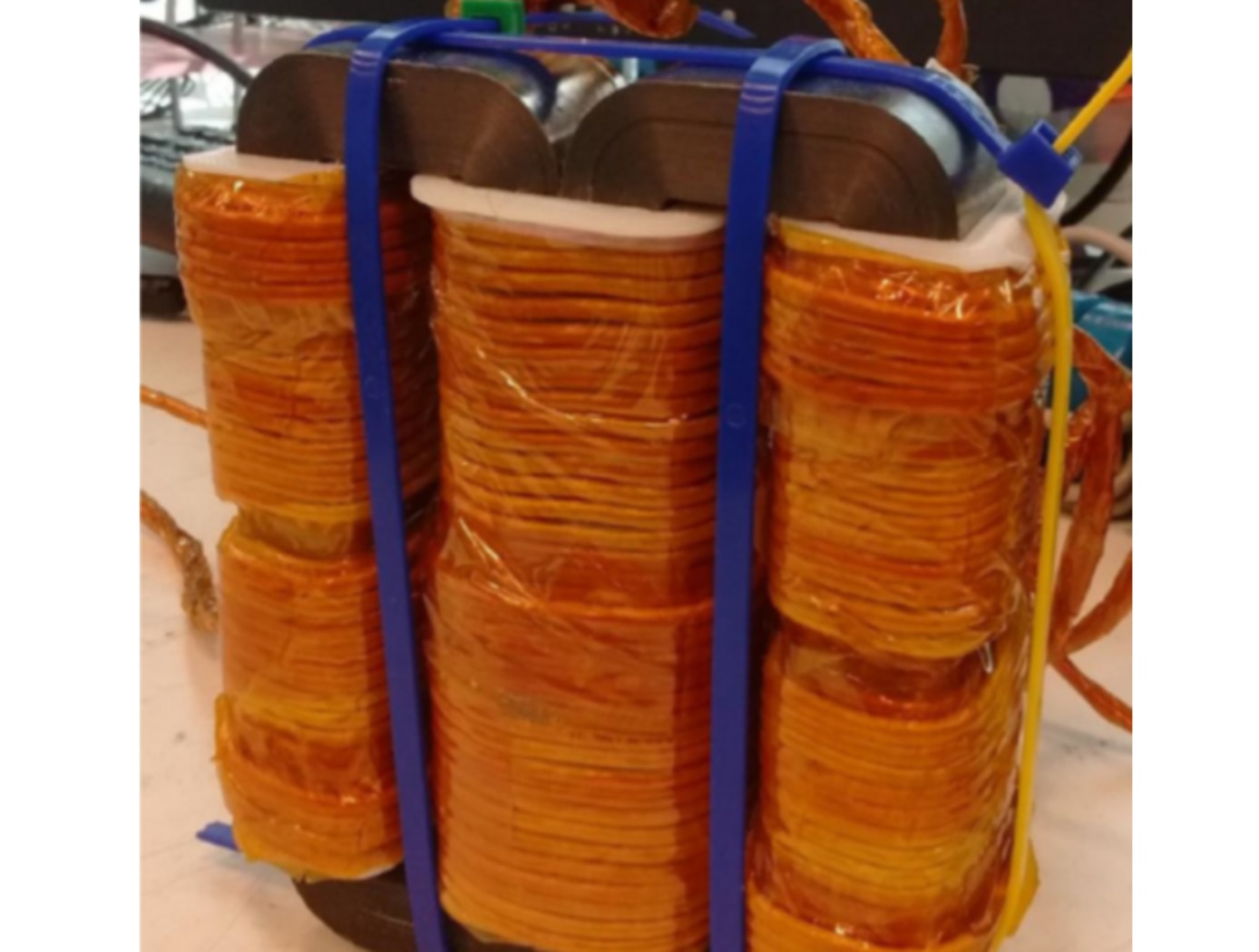
Commercial soft magnetic cores used in power electronics are limited by core loss and decreased ferromagnetism at high temperatures. Extending functional performance to high temperatures allows for increased power density in electric systems with fixed power output and elevated operating temperature. The innovators at Glenn developed a unique composition and process to improve the temperature capability of the material.
Nanocomposite soft magnetic materials are typically comprised of a combination of raw materials including iron, silicon, niobium, boron, and copper. Instead of niobium, NASA's material utilizes small cobalt and tantalum additions. The raw materials are combined to form an amorphous precursor through melt spinning. NASA's innovation with the fabrication lies in the thermal annealing step, which nucleates and crystallizes the precursor to form the composite structure of the material. By adjusting the temperature and magnetic field of the thermal annealing step, Glenn's process results in good coupling between the crystalline and amorphous matrix phases. Innovators at Glenn demonstrated the temperature robustness using small test cores of their material and are investigating additional quality attributes compared to other well-known soft magnetic materials (see two Figures below).
Materials and Coatings

Additively Manufactured Oxide Dispersion Strengthened Steel for Nuclear and High-Temperature Applications
Building on the dispersion and acoustic mixing methods developed during the creation of NASA's Glenn Research Center GRX-810 technology, this Additively Manufactured ODS Steel uses an innovative coating process to overcome the limitations of traditional ODS steel manufacturing. The technology deposits yttrium oxide nanoparticles onto spherical iron-chromium steel powder particles. During the additive manufacturing process, the coated powder particles are melted and consolidated layer by layer using laser powder bed fusion. As the material solidifies, the oxide nanoparticles distribute uniformly throughout the microstructure, creating a dispersion-strengthened material. The dispersed yttria nanoparticles pin grain boundaries and dislocations, significantly improving creep resistance and mechanical strength at elevated temperatures. Preliminary testing has demonstrated a 10-fold improvement in creep properties compared to non-ODS baseline steels.
The technology demonstrates compatibility with industrial-scale laser powder bed fusion systems and can be adapted to incorporate alternative ceramic nanoparticles beyond yttria. Applications span the nuclear energy sector, including commercial fission reactor components, fusion reactor first-wall and blanket structures, nuclear thermal propulsion systems for space exploration, and in-space nuclear power systems where extreme temperature performance and radiation resistance are essential. This strengthened steel is available for patent licensing.
Communications
Lightweight, Self-Deployable Helical Antenna
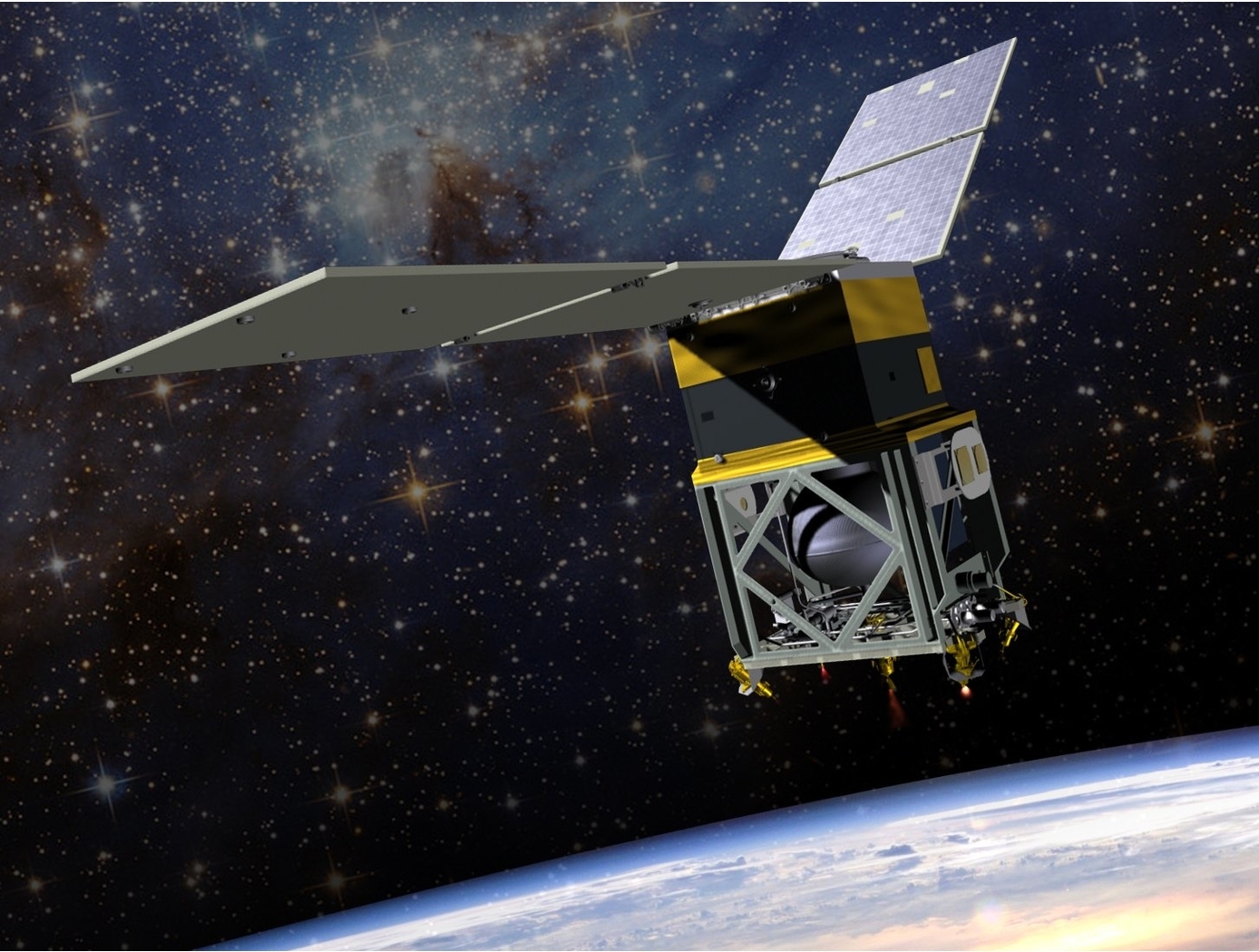
NASA's newly developed antenna is lightweight (at or below 2 grams), low volume (at or below 1.2 cm3), and low stowage thickness (approx. 0.7 mm), all while delivering high performance (at or above 10 dBi gain). The antenna includes a novel design-material combination in a helical coil conformation. The design allows the antenna to compress for stowage (e.g., satellite launch), then self-deploy at the desired time in orbit.
NASA's lightweight, self-deployable helical antenna can be integrated into a thin-film solar array (or other large deployable structures). Integrating antenna elements into deployable structures such as power generation arrays allows spacecraft designers to maximize the inherently limited resources (e.g., mass, volume, surface area) available in a small spacecraft. When used as a standalone (i.e., single antenna) setup, the the invention offers moderate advantages in terms of stowage thickness, volume, and mass. However, in applications that require antenna arrays, these advantages become multiplicative, resulting in the system offering the same or higher data rate performance while possessing a significantly reduced form factor.
Prototypes of NASA's self-deployable, helical antenna have been fabricated in S-band, X-band, and Ka-band, all of which exhibited high performance. The antenna may find application in SmallSat communications (in deep space and LEO), as well as cases where low mass and stowage volume are valued and high antenna gain is required.
mechanical and fluid systems

Additively Manufactured Oscillating Heat Pipe for High Performance Cooling in High Temperature Applications
The advent of additive manufacturing makes available new and innovative integrated thermal management systems, including integrating an oscillating Heat Pipe (OHP) into the leading edge of a hypersonic vehicle for rapid dissipation of large quantities of heat. OHPs have interconnected capillary channels filled with a working fluid that forms a train of liquid plugs and vapor bubbles to facilitate rapid heat transfer. Multiple additive manufacturing techniques may be used, including powder bed fusion, binder jetting, metal material extrusion, directed energy deposit, sheet lamination, ultrasonic, and electrochemical techniques. These high performance OHPs can be made with materials such as Refractory High Entropy Alloys (RHEAs) that can withstand high temperature applications. The structure of the OHP can be integrated into the constructed leading edge. The benefits include a heat transport capacity of 10 to 100 times greater than before. Integrated OHPs avoid the bends or welds in traditional heat pipes, especially at the locations where the highest thermal stresses might cause thermal-structural failure of a leading edge. Alternating the diameters of the OHP channels alleviate start-up issues typically found in liquid metal oscillating heat pipe designs in high temperature applications by aiding in the instigation of a circulating flow due to multiple forces acting upon the working fluid.